UX Excellence: A Conversation with Ake Rudolf
A conversation with Ake Rudolf, Award Director and Head of Strategy at the International Design Center Berlin (IDZ)
What are the origins of the Awards?
The UX Design Awards started as part of a research project supported by Germany’s Federal Ministry of Labor. In the early 2000s, the project focused on usability and universal design. As part of the initiative, the International Design Center Berlin (IDZ) mapped out key players in the field and developed a network of experts, researchers, and practitioners. This network helped lay the foundation for the idea of a quality seal for usability and universal design.
How did the name UX Design Awards come about?
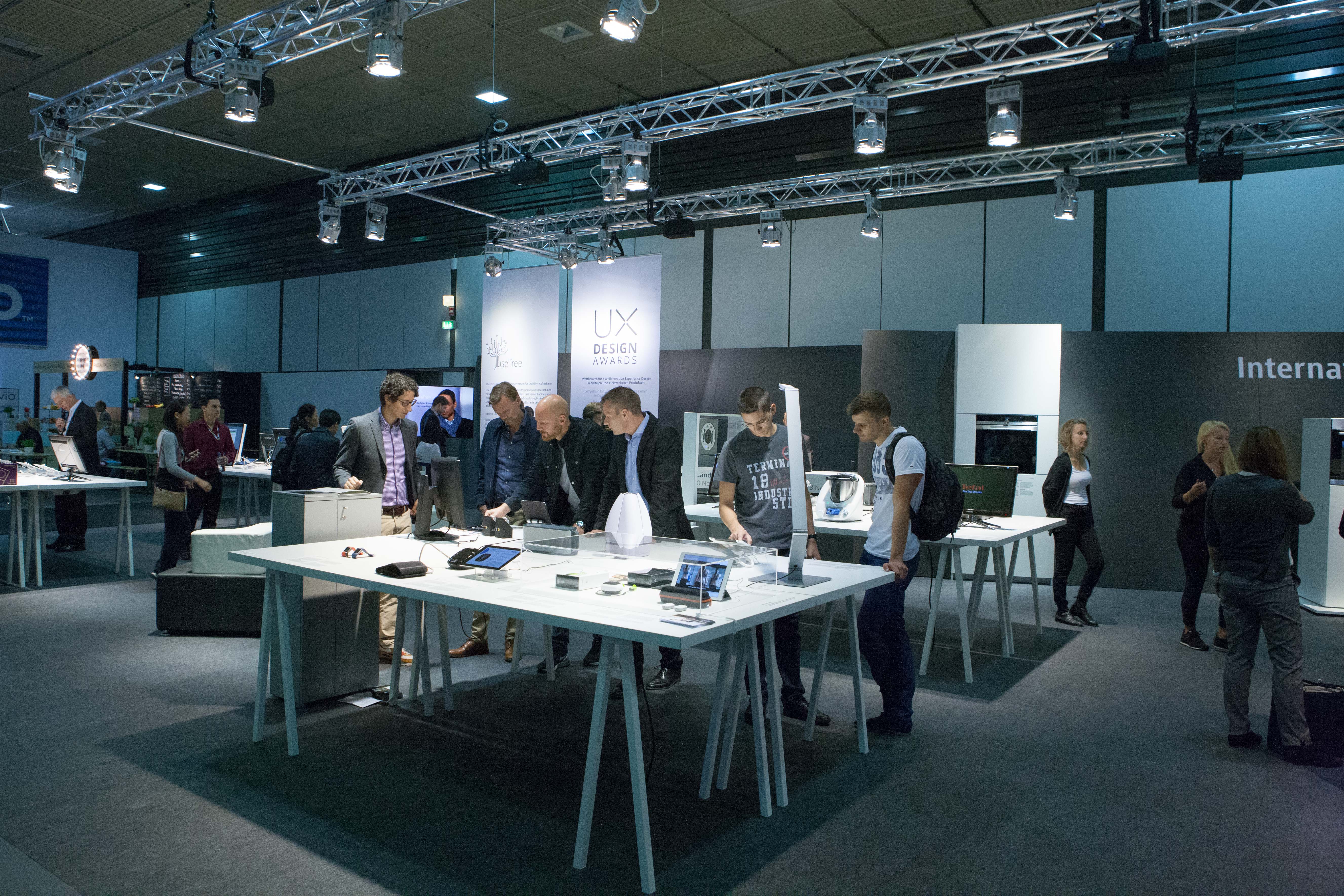
Since 2008, the IDZ has produced an annual special exhibition called "Usability Park" at IFA, one of the world’s leading trade shows for consumer electronics, in Berlin, Germany. The exhibition aimed to highlight user-friendly products in a curated showcase. This effort laid the groundwork for broadly recognizing excellence in the field.
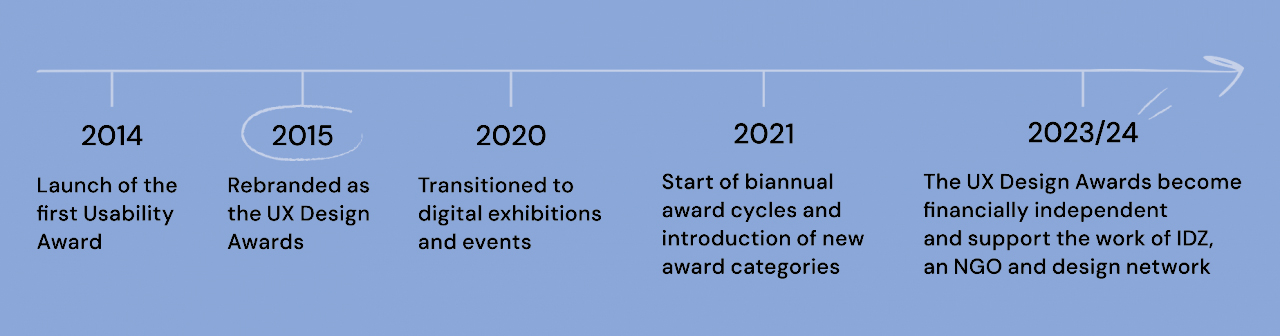
In 2014, the first "Usability Award" was presented as part of the exhibition. It was still a relatively small event, but for the first time, entries were selected through a public call and judged by an independent jury. The concept of recognizing exceptional user-centered products through a structured competition began to take shape.
Following the first award ceremony, jury member Claude Toussaint (then a partner at Designaffairs) proposed a broader, more future-focused approach. Why not shift the spotlight from "usability" to "user experience"? UX design was gaining traction globally, and the term better reflected the complex, emotional, and systemic aspects of digital and physical product experiences. Thus, the "UX Design Awards" were born.
The idea wasn’t just about handing out awards. It was about recognizing and promoting designs that truly made a difference in people's lives. It was about creating visibility for products and solutions that prioritized accessibility, inclusion, and intuitive user interaction — ideas that form the core of UX design. In many ways, the UX Design Awards are the result of years of groundwork to advance these values.
When did it become a full-scale competition?
The very first award round surprised us by receiving over 30 entries, more than we expected. Encouraged by the interest and feedback from participants and visitors alike, we realized there was a genuine demand for a professional platform that recognized excellence in UX design. In the following years, the competition steadily grew in size and ambition.
After rebranding to the UX Design Awards in 2015, the event began to establish its own identity. The exhibition and award ceremony remained tied to the IFA, which gave the competition valuable exposure and a strong industry focus. At the time, many entries came from the consumer electronics sector, reflecting the audience and participants of the trade show.
However, the relevance of UX design extends far beyond consumer electronics. Excellent UX plays a vital role in healthcare, mobility, enterprise software, and social innovation. We were thrilled to see the competition receive acclaim from other industries and audiences, which makes it more representative of today's broad scope of UX.
How did the crisis become a turning point for the Awards?
Like many others, 2020 was a pivotal year for the Awards. The pandemic made hosting a physical exhibition at IFA impossible. We had just finished the nomination phase when the first lockdown began. The situation demanded quick thinking and even quicker action.
In just a few weeks, our team developed a fully digital exhibition and live virtual awards show to replace the planned event. At the time, this was a huge step into the unknown. However, it paid off — going digital opened up entirely new opportunities that we hadn't imagined before.
For the first time, we were no longer tied to a single location or fixed dates. We could include more participants, reach global audiences, and bring jury members and participants from around the world together without requiring travel. The digital space also enabled deeper storytelling, more interactive experiences, and greater flexibility at a time when everyone was experimenting with virtual meetings and event formats.
This change became a catalyst. Moving online enabled us to grow and build a more scalable, inclusive platform. It also helped us align with the evolving needs of UX professionals, many of whom work in digital-first environments.
»These milestones mark important steps in our evolution. However, the smaller, behind-the-scenes moments are equally important: the lessons learned, the ideas tested, the feedback shared, and the community connections built over the years.«
How did things change after you went digital?
The positive feedback we received about the digital formats encouraged us to continue experimenting. Starting in 2021, we began holding the UX Design Awards twice a year, reflecting the continuous development and release cycles of digital products. We added new categories, including a dedicated "New Talent" category for student projects and emerging designers.
We also launched the Public Choice Award, which allows global audiences to vote for their favorite nominated projects. This increased engagement and provided designers with direct feedback from the community.
Going digital lowered the barriers to participation significantly. It became easier and more affordable for teams worldwide to submit their work, participate actively, and connect with peers across the globe. As a result, our reach and diversity expanded, and the UX Design Awards became a truly international platform.
What were the biggest challenges along the way?
One of the biggest hurdles was developing the Awards while working on other ongoing projects. In the early years, we didn’t have a dedicated team. Everything was done "on the side," often by people who were already managing multiple responsibilities. We were constantly working at our limit, deciding where to invest time and resources as we went along.
It also took a lot of trial and error. Each new format, tool, or process brought its own learning curve. We had to adapt quickly and creatively, from managing a remote jury process to live-streaming award shows and presentations with global participants.
These challenges made the process more rewarding. Experimenting with new ideas and formats kept things exciting and helped us stay aligned with the needs of our growing audience. Today, thanks to a small but passionate team that continues to drive the Awards forward, we’ve found a solid rhythm and structure.
Who is behind the jury, and how important is the community?
Today, each jury consists of 14 international UX experts with diverse professional backgrounds. These experts bring a wide range of perspectives, including enterprise UX, digital product design, industrial design, service design, and research. We regularly rotate jury members to ensure fresh perspectives and maintain independence.
The evaluation process is at the center of our attention. Submissions undergo a multi-step review process, and all jury decisions are made independently of the organizing team. We hold ourselves to high standards because we know recognition comes from serious judging based on solid research, proven facts, and real insights. We appreciate how much work and care goes into every submission.
The community has always been at the heart of the UX Design Awards. That’s why we include alumni of the Awards on the jury and invite jurors to present at events beyond the competition. Through virtual deep dives and talks, we create opportunities for knowledge sharing and international dialogue. These formats have become an integral part of the UX Design Awards.
So, what’s next? Where do the UX Design Awards go from here?
Looking ahead, we want to grow in both size and depth. Our vision is to create a rich, sustainable ecosystem around the Awards that supports learning, exchange, and visibility year-round. This could entail a professional academy dedicated to the field, networking opportunities for professionals at all career levels, and new award categories that reflect emerging UX design trends and support the exceptional individuals working in this field.
We want the Awards to remain dynamic, relevant, and valuable. Our ultimate goal is to help designers and teams around the world get the recognition they deserve, learn from one another, and shape the future of user experience together.
What stands out the most from ten years of UX Design Awards?
Over the past decade, we’ve grown from a niche idea rooted in a limited-scope research project to a global platform that celebrates UX excellence across industries and disciplines. We've seen incredible projects that improve lives, shift perspectives, and raise the bar for what's possible.
But what truly stands out are the people: The designers, product managers, and leaders who pour their passion into their work. The jurors who lend their time and expertise. The community that supports and uplifts one another. We live for moments of joy when winners take the virtual stage, smile, and say, "It means so much to have our work seen and appreciated." Those are the moments we live for. We can’t wait to see what the next ten years will bring.