Designers
Emily Klein
Year
2026
Category
New Talent
Country
Austria
School
FH Joanneum University of Applied Sciences
Teacher
Markus Well
Three questions to the project team
What was the particular challenge of the project from a UX point of view?
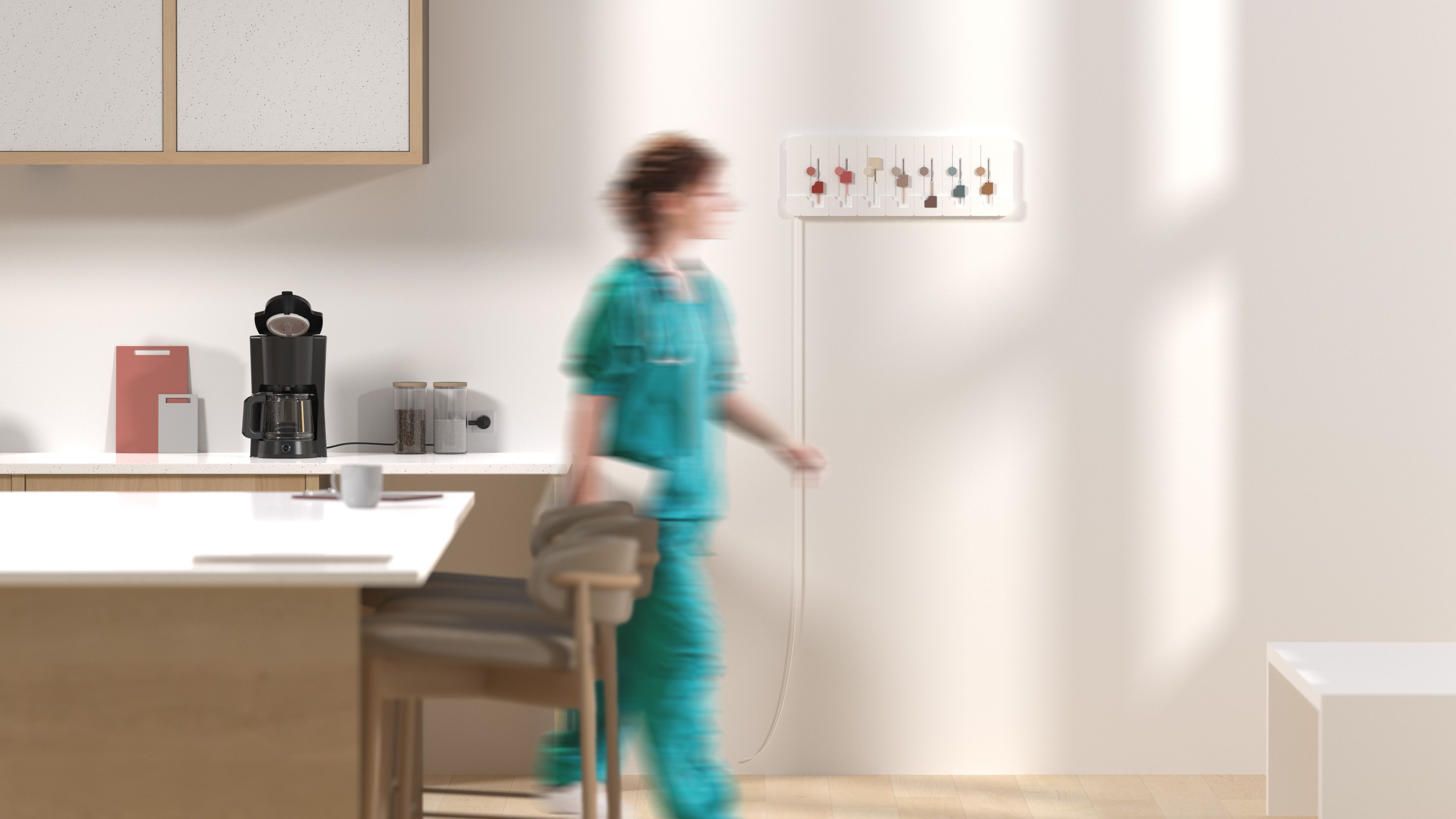
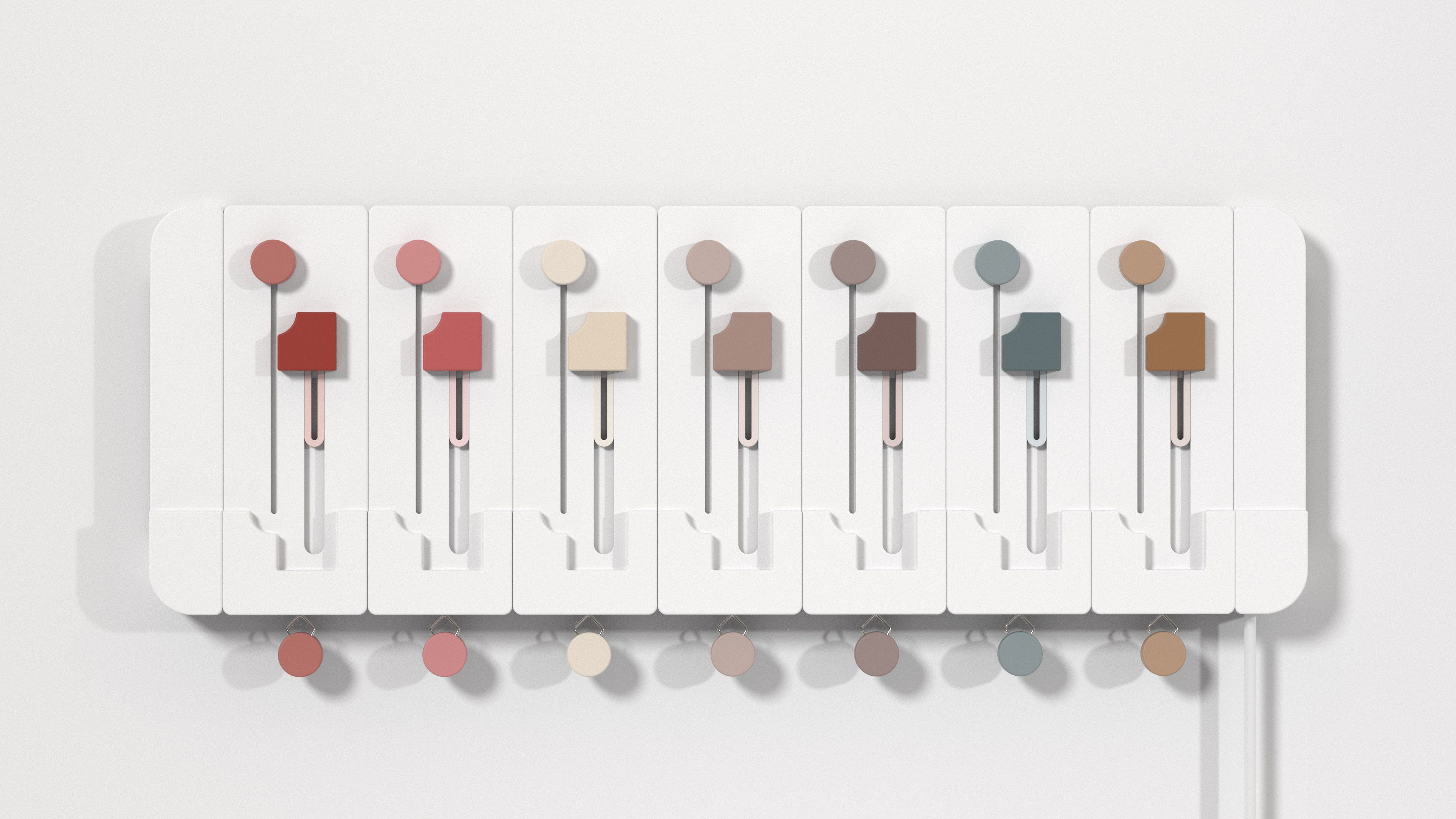
The main UX challenge was to make the current break status during workdays instantly understandable, without creating pressure or the feeling of being watched. In a busy hospital, information must be simple, calm, and quick to read. The overview-board plays a central role: it had to show both individual and team status clearly, without ranking anyone, while still supporting coordination. Finding a visual language that communicates reliably yet remains neutral, while expressing the balance between worktime and breaktime, became a central focus of the design.
What was your personal highlight in the development process? Was there an aha!-moment, was there a low point?
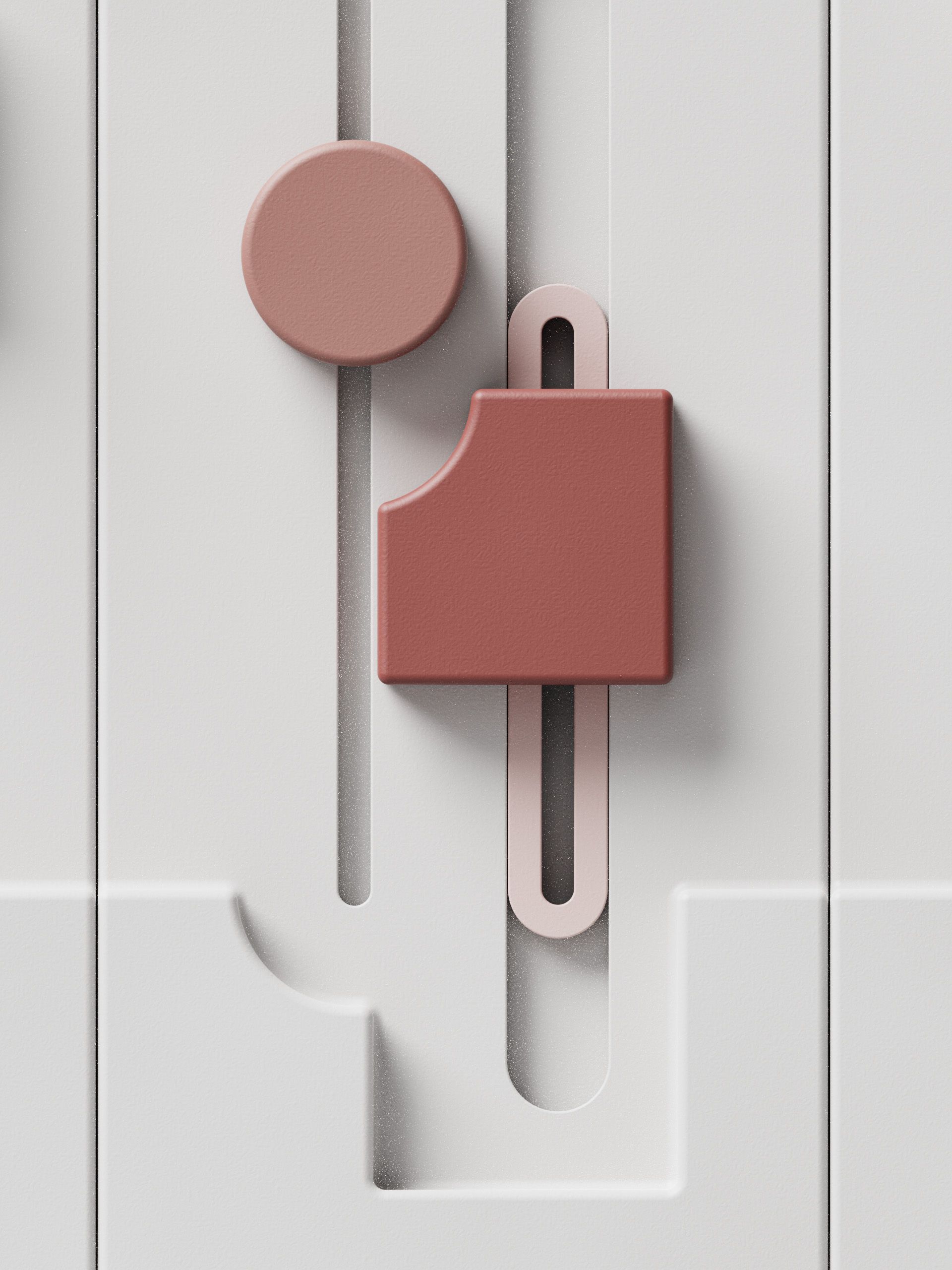
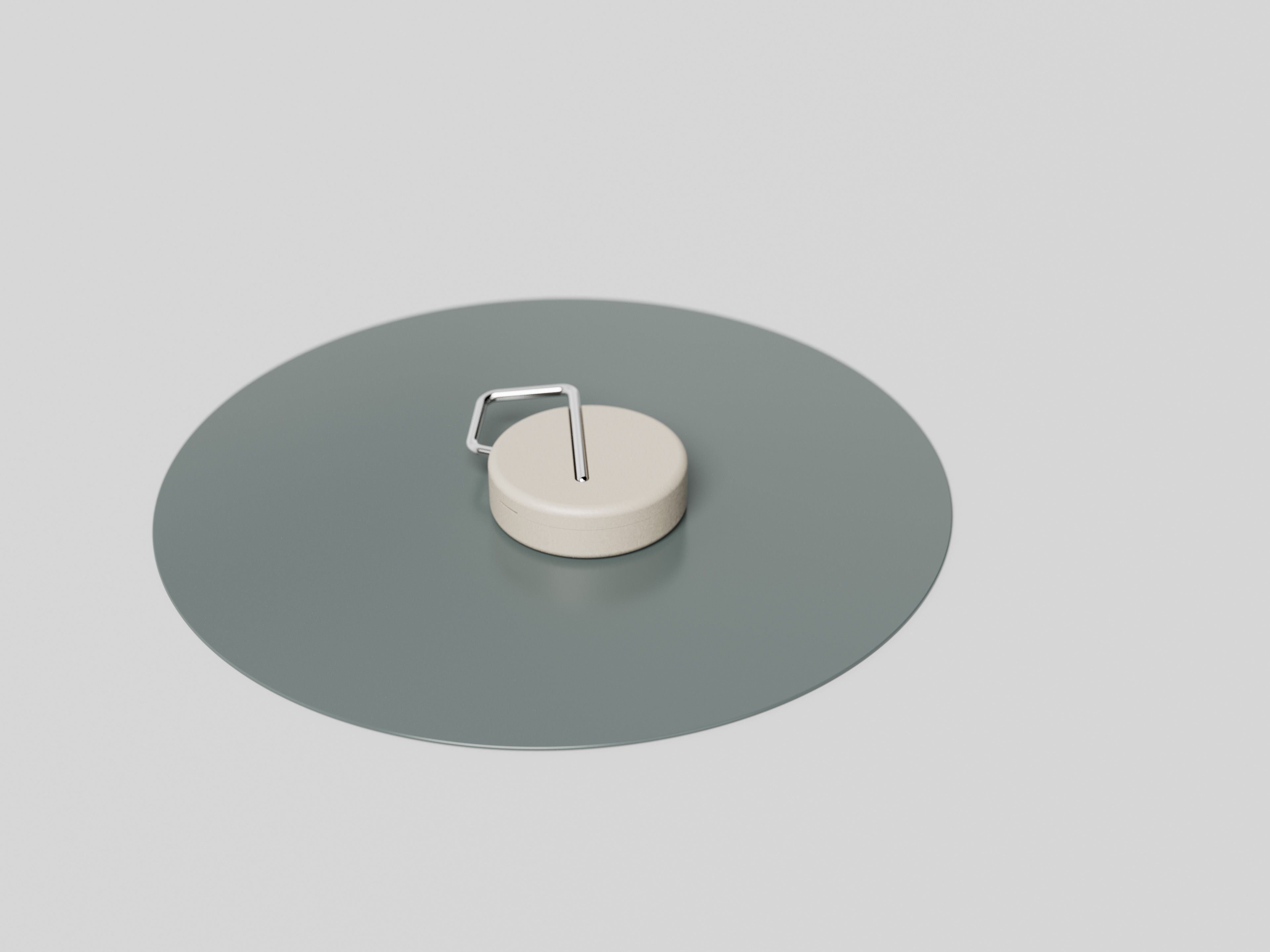
A personal highlight during the process came when I first showed the simple mechanism to colleagues: the break-time piece sits neatly in place when the break is taken but flips over once the worktime overtakes it. People understood the tilting movement immediately, and their positive reactions to this small mechanical cue gave me confidence that the analog direction makes sense. The biggest aha-moment was when a nurse described it as almost like a small game - you want it to work, so you want to take the break. Seeing how this playful yet calm interaction made the topic feel lighter and more approachable was one of the most rewarding moments of the development process.
Where do you see yourself and the project in the next five years?
In the next five years, I see myself continuing to work in human-centred design, especially in contexts where small interactions can support people in demanding environments. For this project, I hope it raises awareness for the importance of breaks in healthcare and shows how analog and digital elements can work together to gently support and positively influence behaviour. Rather than seeing Balance as a finished product, I can imagine parts being developed further, adapted, or inspiring new approaches in healthcare or other high-stress fields. My goal is to keep exploring how design can help create healthier, more balanced work cultures and take a small step toward making demanding workplaces more humane.