Year
2026
Category
Concept
Country
Korea, Republic
Design Studio / Department
UXservice
Three questions to the project team
What was the particular challenge of the project from a UX point of view?
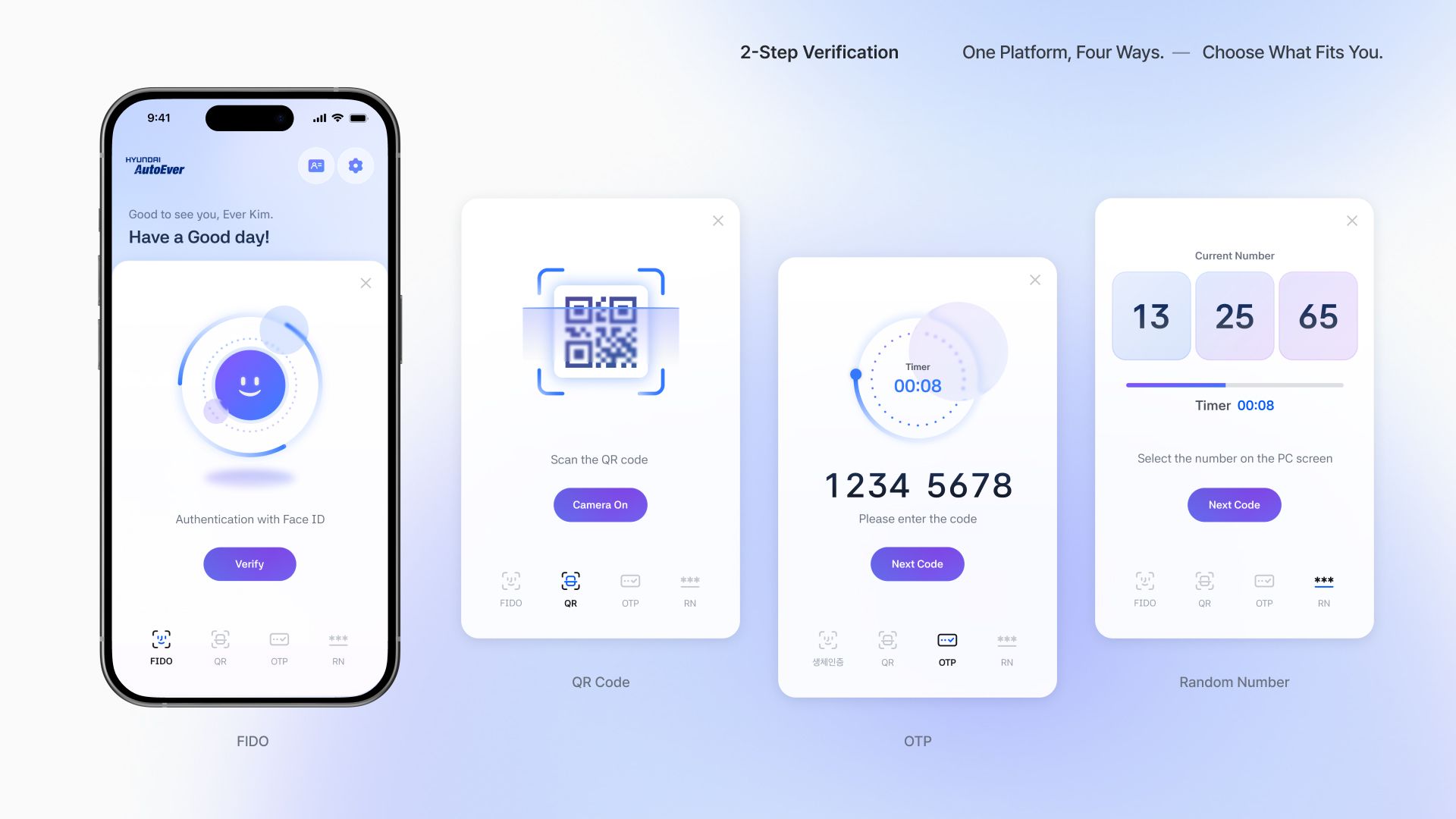
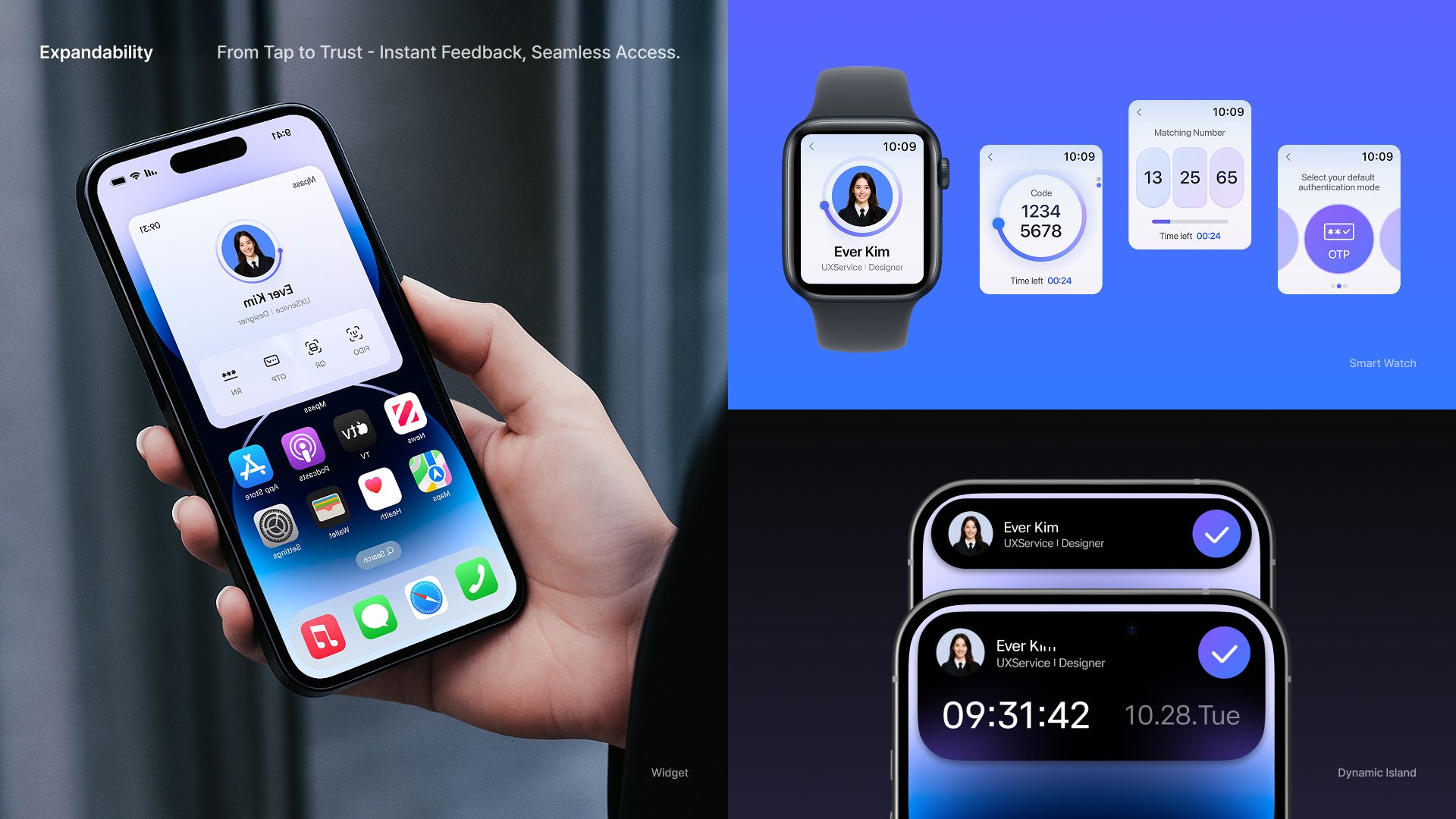
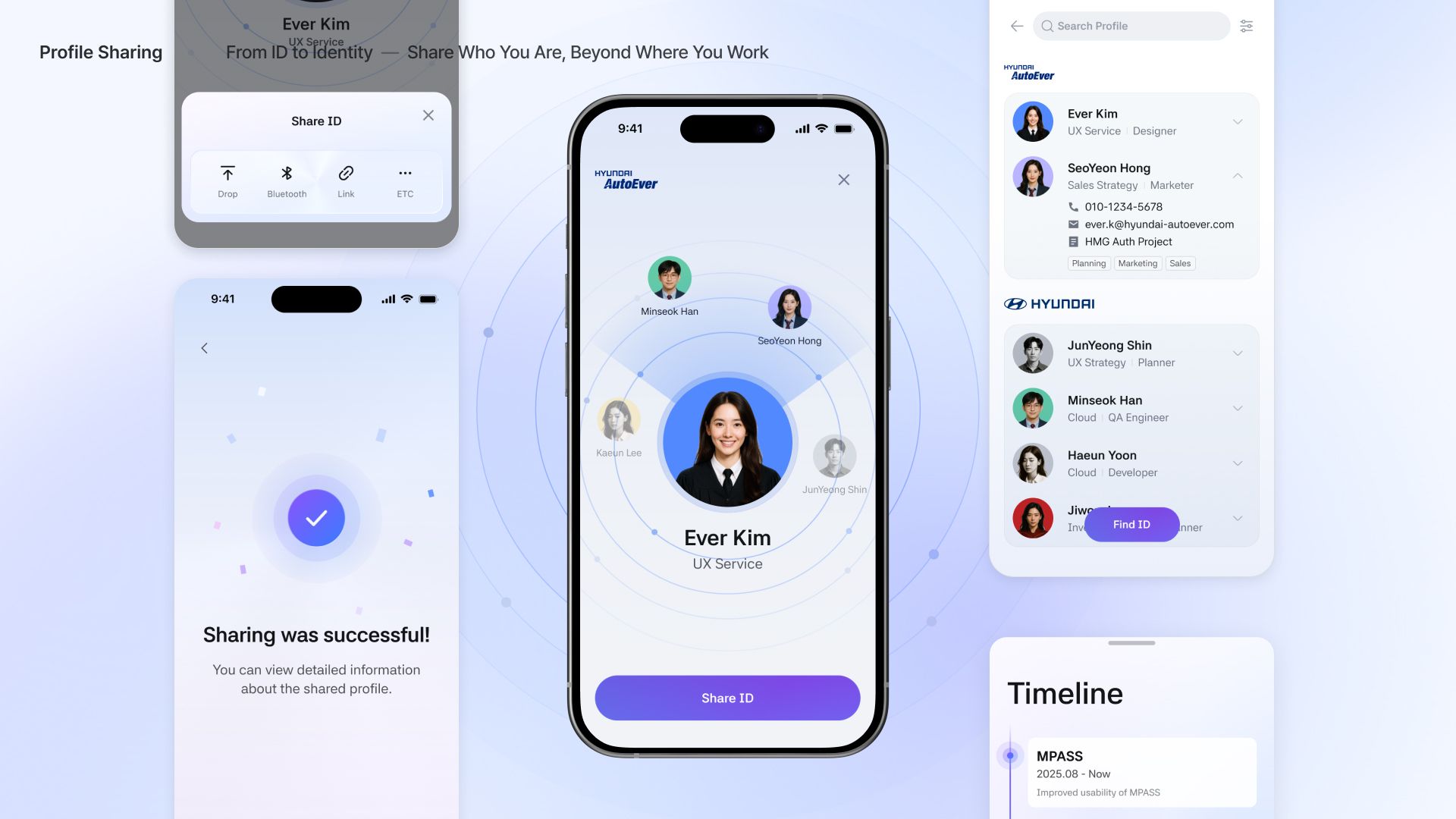
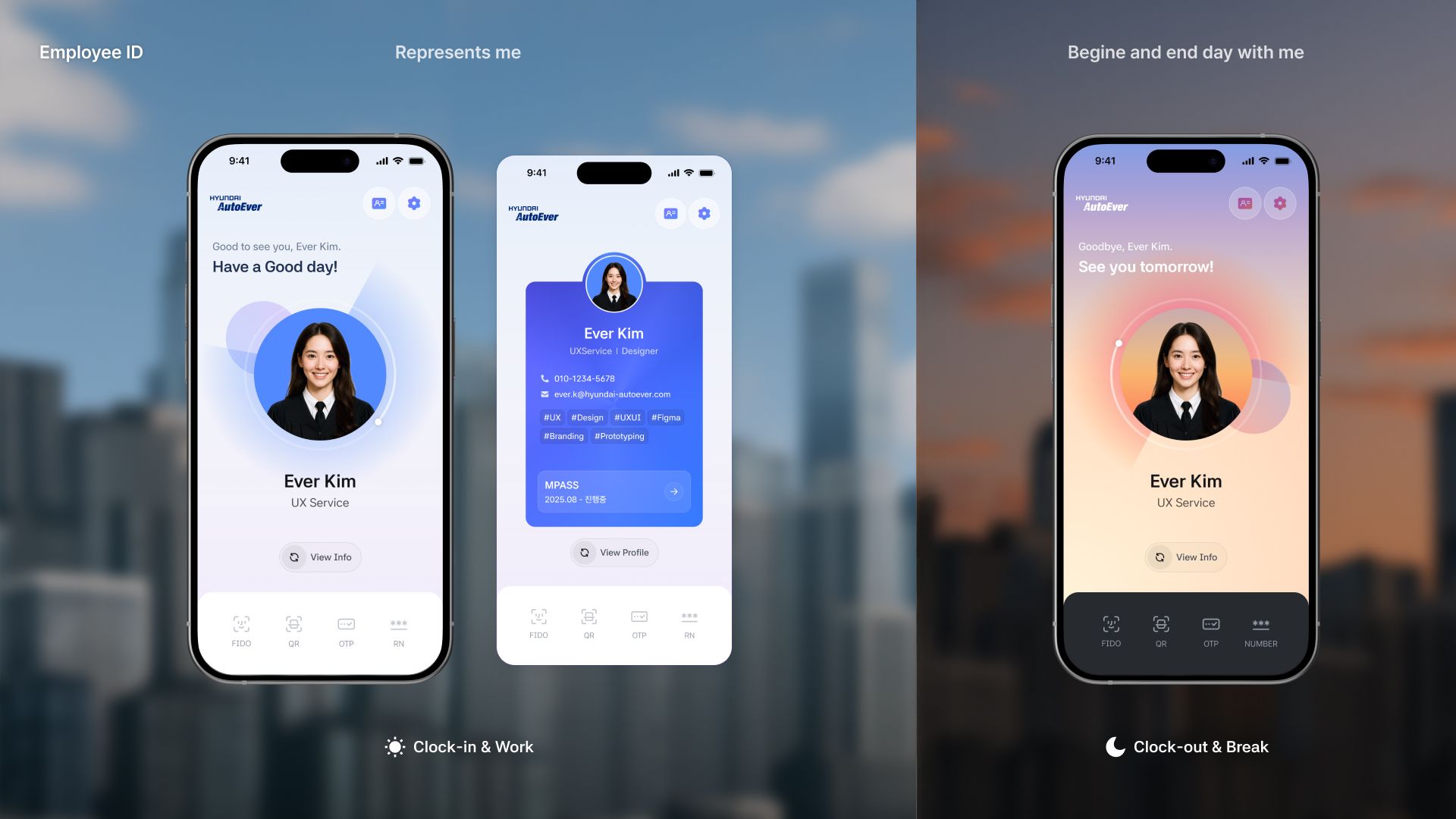
The key UX challenge of Ever-Ready Identity was designing an internal authentication platform that balanced professional rigor with emotional sensitivity. As a system used daily by employees, it needed to remain standardized, secure, and formal while avoiding a cold or mechanical experience. A key challenge was defining how human-centered emotion and context could be officially embedded within a highly regulated corporate environment. Beyond core authentication, we explored what administrative yet meaningful features employees truly need in real work situations. Throughout the process, usability was prioritized to ensure emotional design never compromised clarity, efficiency, or trust.
What was your personal highlight in the development process? Was there an aha!-moment, was there a low point?
My personal highlight in the development process was realizing how challenging it was to express strong usability within a very simple and constrained authentication system. By closely analyzing employee user flows, I was able to identify what they truly needed and design a more convenient and intuitive process. Continuously imagining real employee usage scenarios helped me shape an experience that felt approachable and natural, even within a formal system. The most difficult moment was finding the balance between maintaining trust and professionalism in authentication while adding an experience users could genuinely appreciate, without weakening reliability or security.
Where do you see yourself and the project in the next five years?
I believe it will evolve into a user-centered and seamless authentication system unlike anything previously seen in the B2B market. While many B2B systems have struggled to match B2C-level experiences, this project has the potential to go beyond B2C standards while maintaining a robust and trustworthy authentication structure. Starting with the authentication platform, other internal systems are expected to follow, adopting more flexible and human-centered experiences. Ultimately, this project can help break the long-standing boundary between B2B and B2C. Through this journey, I see myself growing into a UX professional who transcends products and environments, grounding technology in a consistent commitment to users.