Designers
Ramona Ziemann, Evgheni Lazarev
Year
2026
Category
Product
Country
Moldova
Design Studio / Department
Ahead Studio
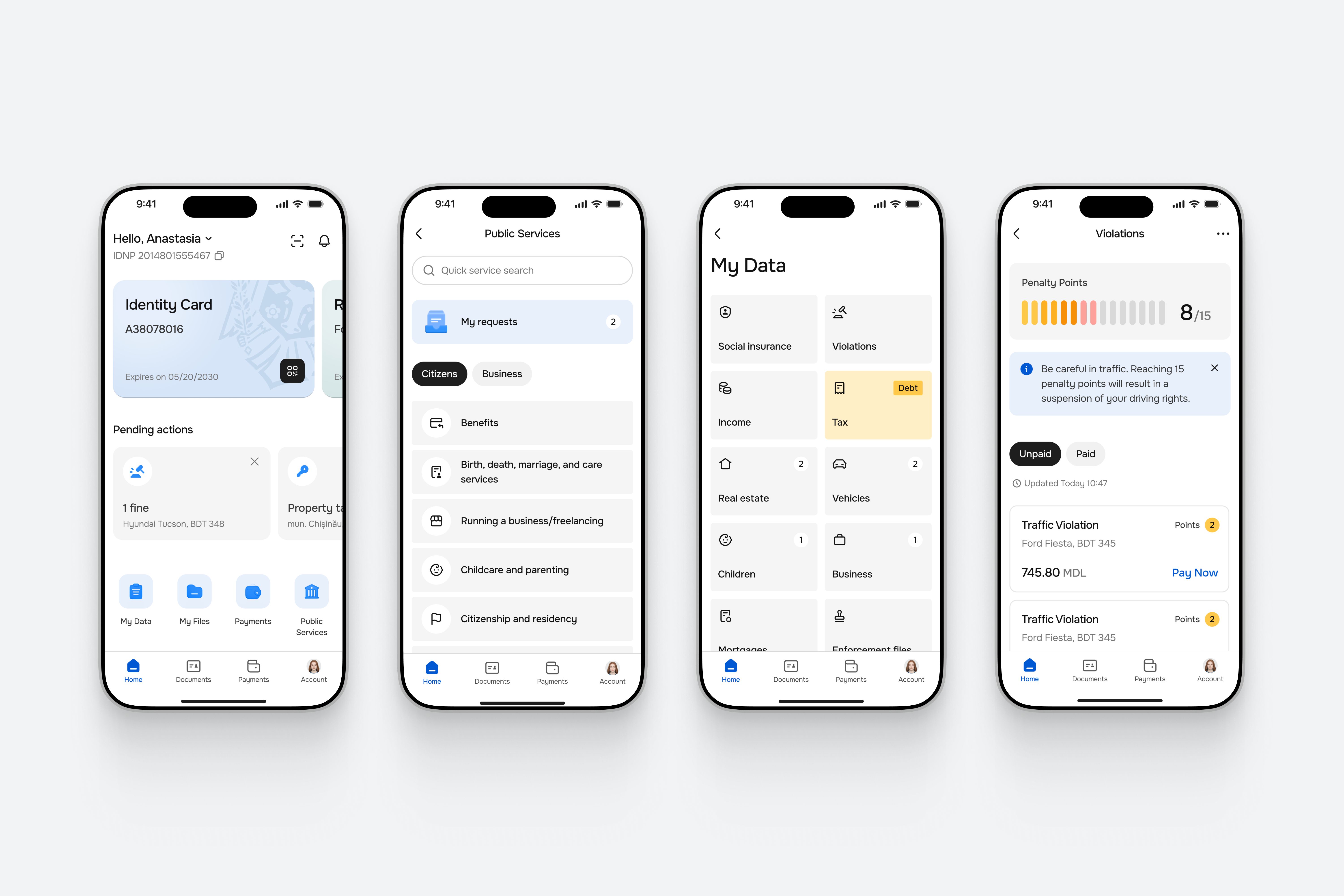
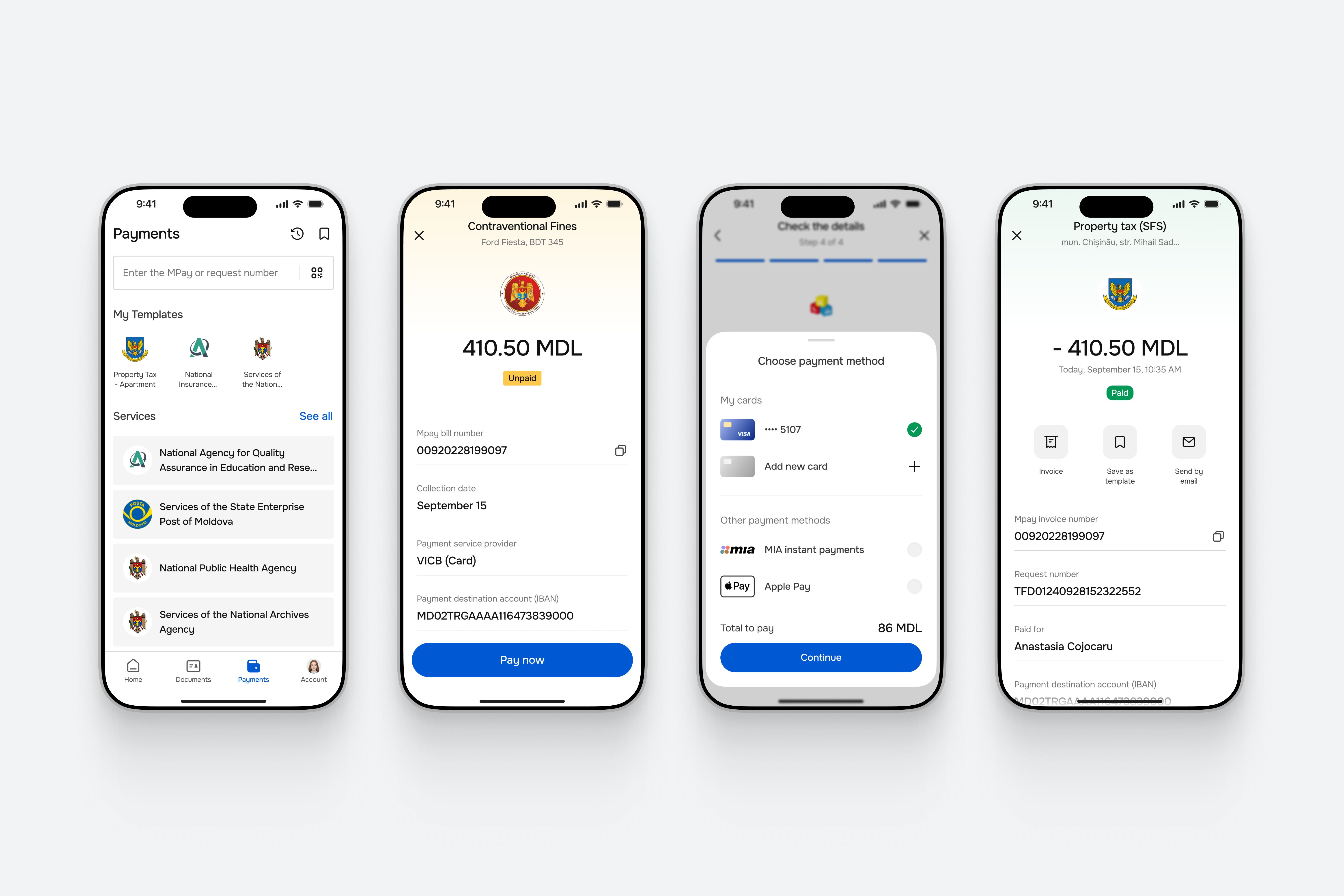
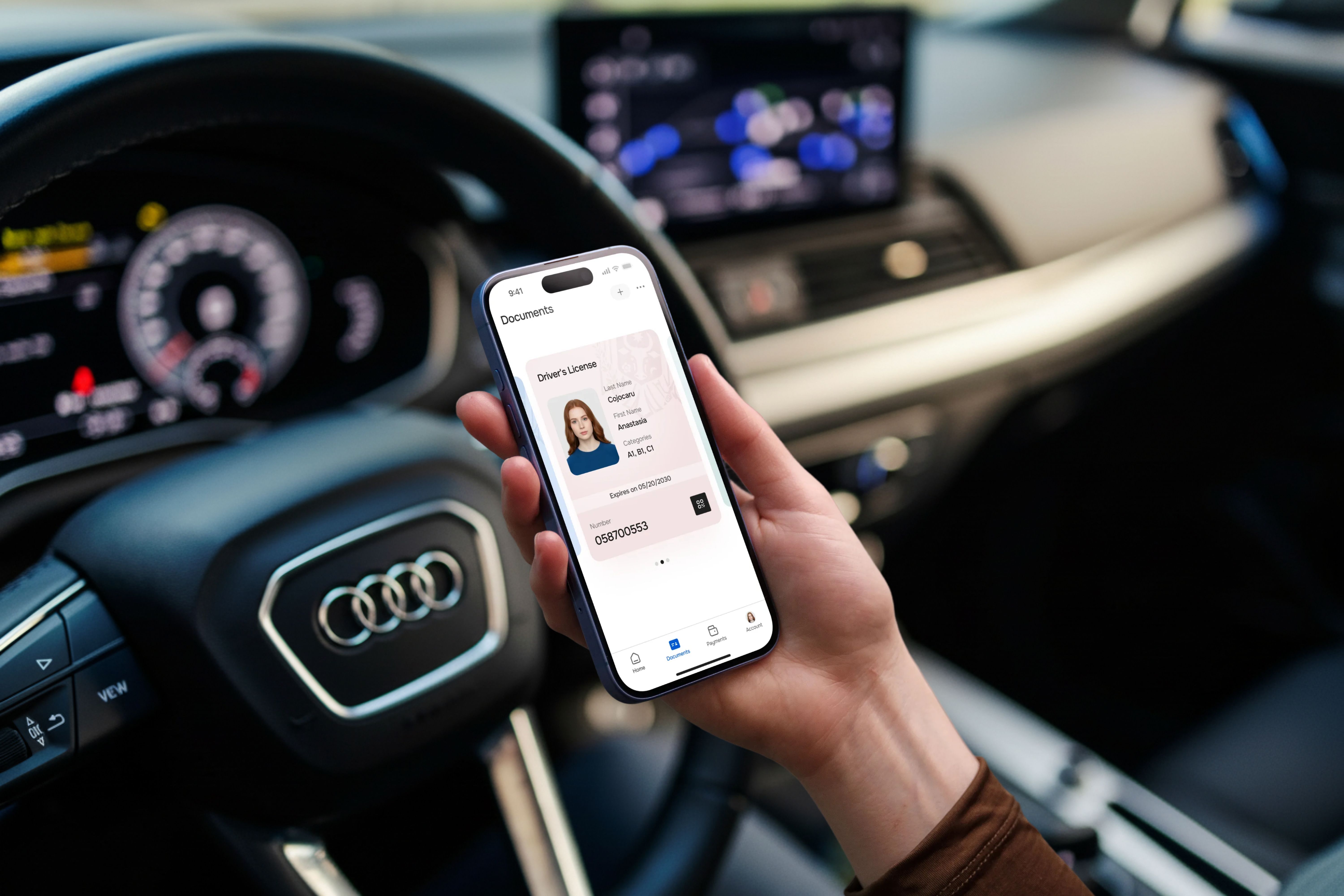
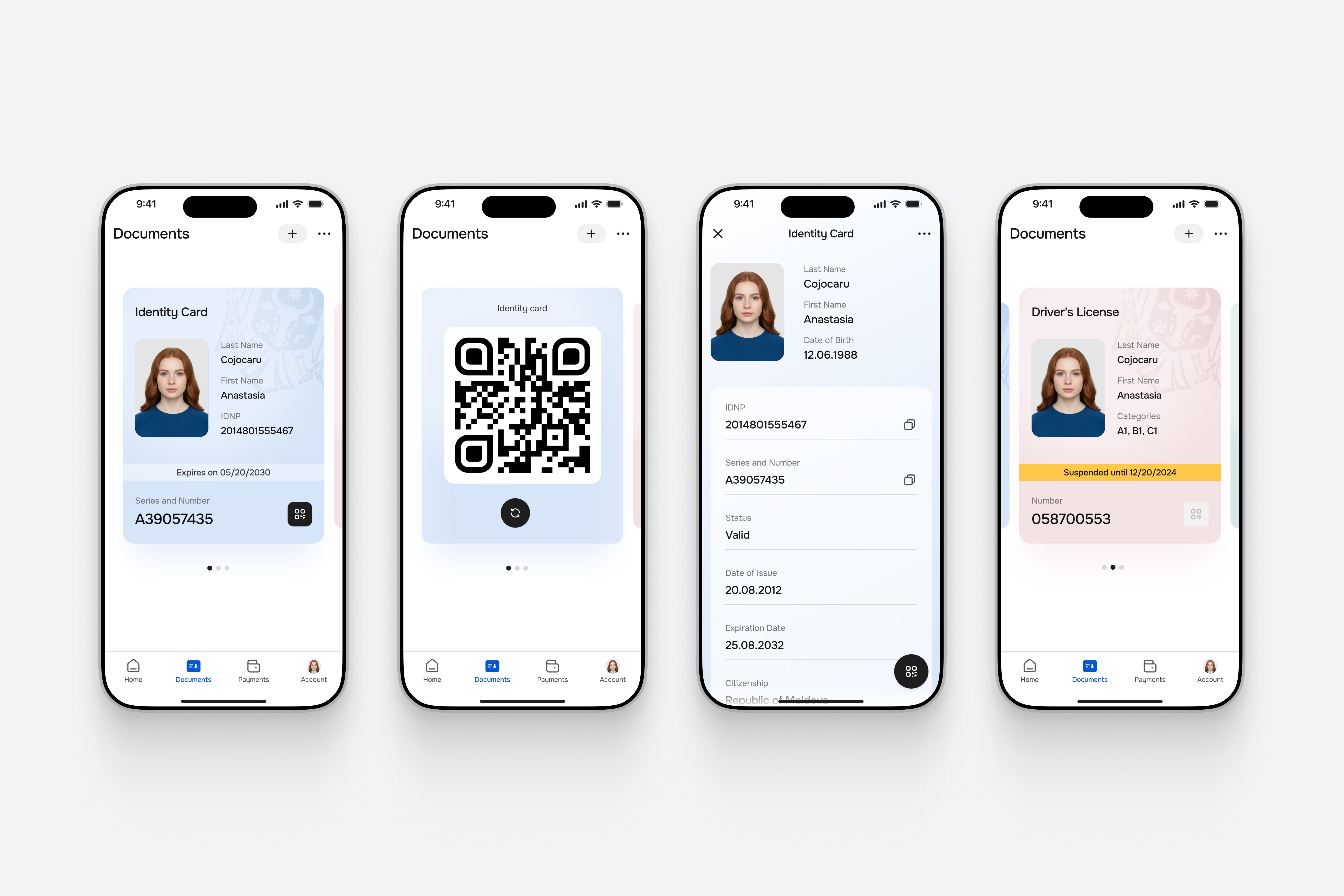
»In the context of the accelerating adoption of digital ID, the EVO App is highly relevant. It offers a strong e-government benchmark in a field with few mature global examples. The jury was convinced by the platform-of-platforms approach, which consolidates identity, payments, and over 300 public services into one coherent ecosystem rather than creating further fragmentation. The solution's evidence-driven, user-centered design is supported by multi-channel feedback, clear UX improvements, proactive notifications, and an accessible design. Migrating to native Android and iOS apps strengthens performance and usability, resulting in an intuitive, scalable national digital service platform.«
UX Design Awards Jury 2026 Spring
And the award goes to...
Three questions to the project team
What was the particular challenge of the project from a UX point of view?
The key UX challenge was unifying a “platform of platforms.” Multiple legacy services built by different institutions and vendors each came with their own flows and constraints. EVO 2.0 had to present one coherent, trustworthy experience while logic, data, and service rules remained decentralized across backends. The hardest part wasn’t the technology itself, but using the front end intelligently to hide system complexity, reduce cognitive load, and guide citizens through service-specific rules without breaking existing services or creating confusion during the transition. Ultimately, the UX challenge was keeping the promise of building the friendliest state: the state works harder so citizens don’t have to.
What was your personal highlight in the development process? Was there an aha!-moment, was there a low point?
Seeing the shift from a “state app” to a citizen-first experience was the highlight. People don’t open a government app to explore. They arrive with a task, little patience, and no desire to browse. The big aha was simple: if EVO can’t answer “How does this help me now?” within seconds, adoption drops (a lesson we learned from EVO 1.0). The low point was the trade-off between simplicity and legal accuracy. Citizens want a clear “Am I eligible — yes or no?”, while the real answer often depends on what documents someone has, when they apply, and which special rules apply to their situation.
Where do you see yourself and the project in the next five years?
In five years, EVO should be the default, trusted single point of interaction for citizens and businesses with the state. Consistent, reliable, and clearly valuable within seconds. Our next chapter is proactivity: life-event journeys, smarter notifications, and clearer guidance, so people spend less time figuring things out and more time getting things done. This all ties into Moldova’s larger goal: a fully digital state by 2030, powered by the current reform plan.
And we’re not stopping there. E-signature becomes the gateway to digital identity, while EVO 2.0 gets ready for the European Digital Wallet and eKYC, enabling secure digital identity verification without paperwork.