Designers
Yase Dusu
Year
2026
Category
New Talent
Country
India
School
Copenhagen Institute of Interaction Design
Teacher
Grishma Rao
Three questions to the project team
What was the particular challenge of the project from a UX point of view?
The main UX challenge was finding the right balance between tradition and change in a very sensitive cultural context. The project deals with religion, beliefs, changing lifestyles, and cultural preservation, which meant I had to design very carefully. Not every idea that was technically possible or creatively interesting was the right choice. I had to slow down and step back often, and think beyond my role as a designer. Every decision needed to respect cultural meaning, long-term impact, and community values, not just personal taste or design trends. The challenge was to create an experience that feels respectful and familiar, while still allowing room for change, without reshaping or imposing traditions through design.
What was your personal highlight in the development process? Was there an aha!-moment, was there a low point?
At the start, I felt quite overwhelmed about where to begin, because culture is huge. It’s not just objects or rituals, but also language, habits, and everyday practices. I struggled with deciding which part to focus on without losing the bigger picture. The aha! moment came when I started looking closely at the Myoko festival, which is a festival of friendship. I realised that even though some parts of the festival have changed over time to fit today’s context, the core values are still very much alive. That helped me see that culture doesn’t stay static, it evolves and that insight became central to how I approached the project.
The low point was more personal. During the process, I realised that I am also part of the problem. In my own family, my mother learned Hindi through her children, including me, and over time she said, “I don’t know Apatani well anymore.” Coming to terms with this was difficult, but it made the project more real and honest, because it reflects the same tensions the community is facing.
Where do you see yourself and the project in the next five years?
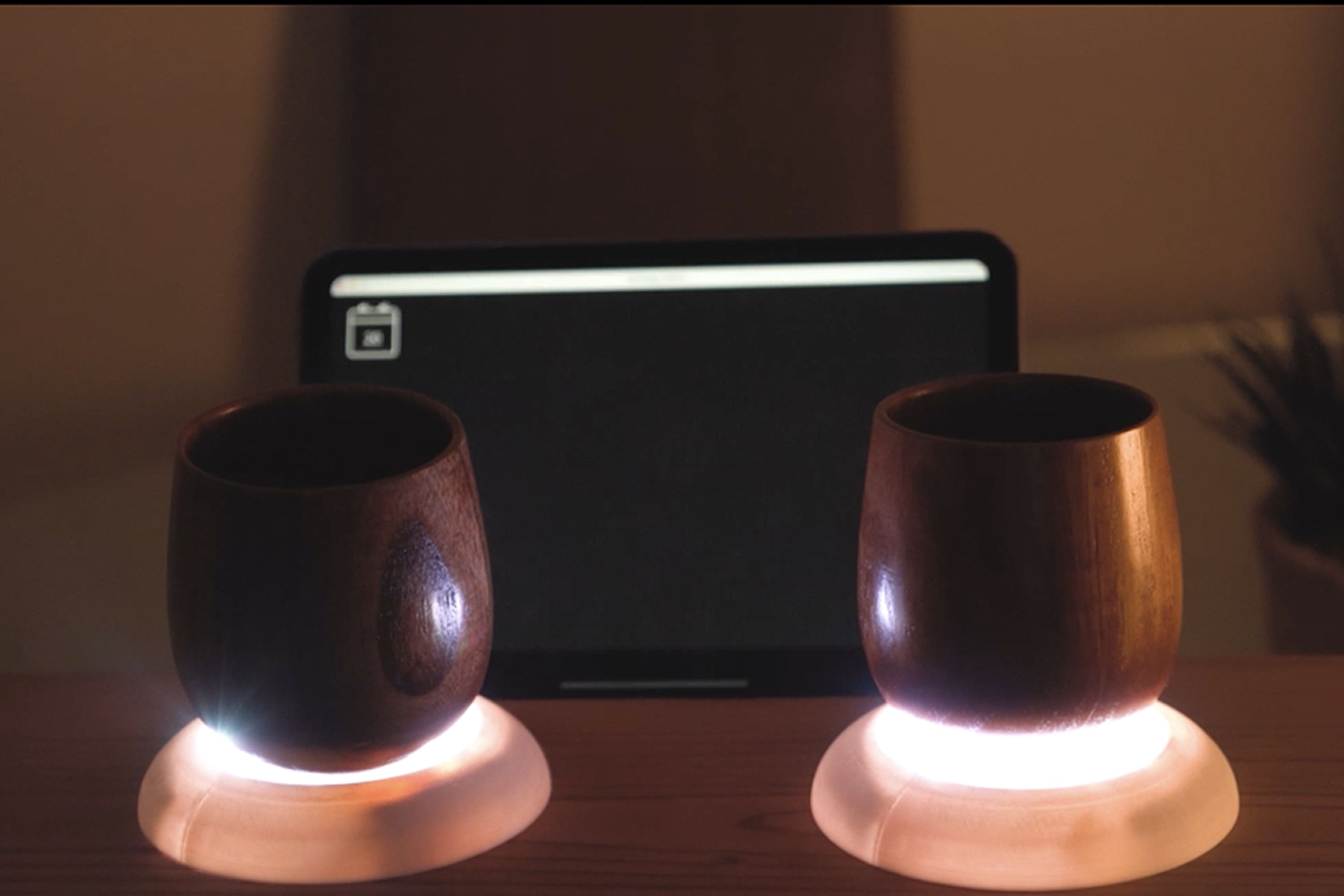
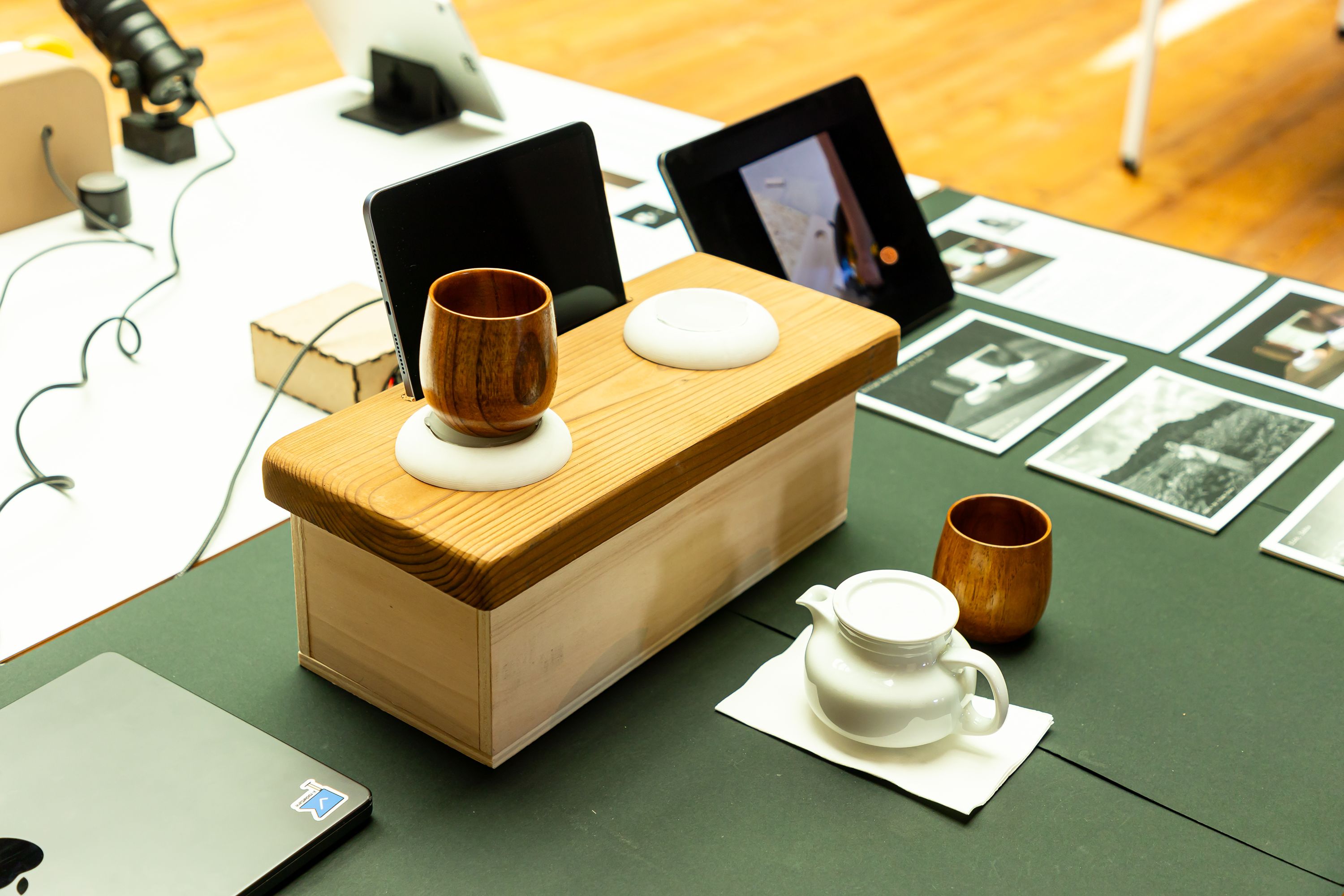
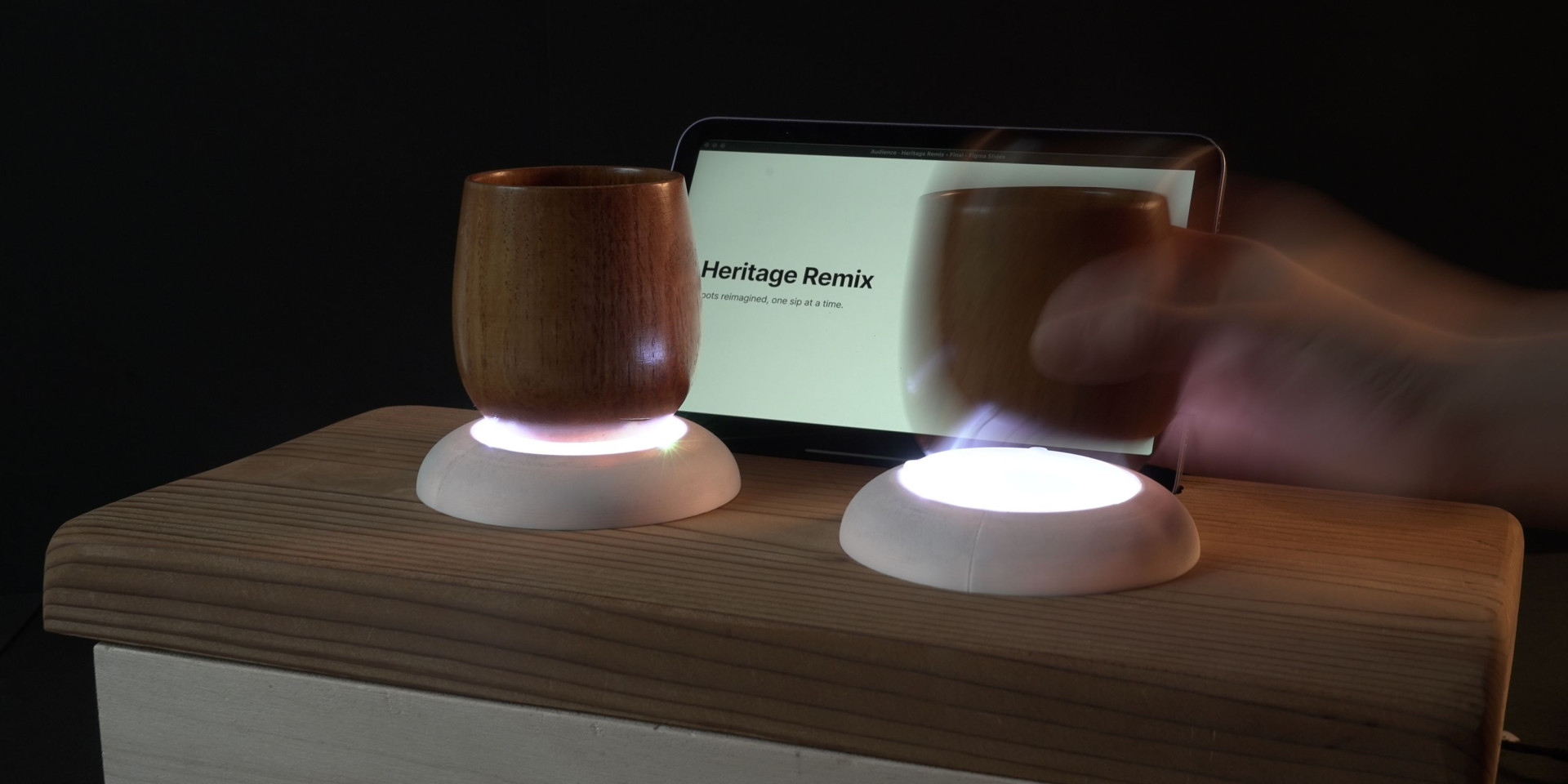
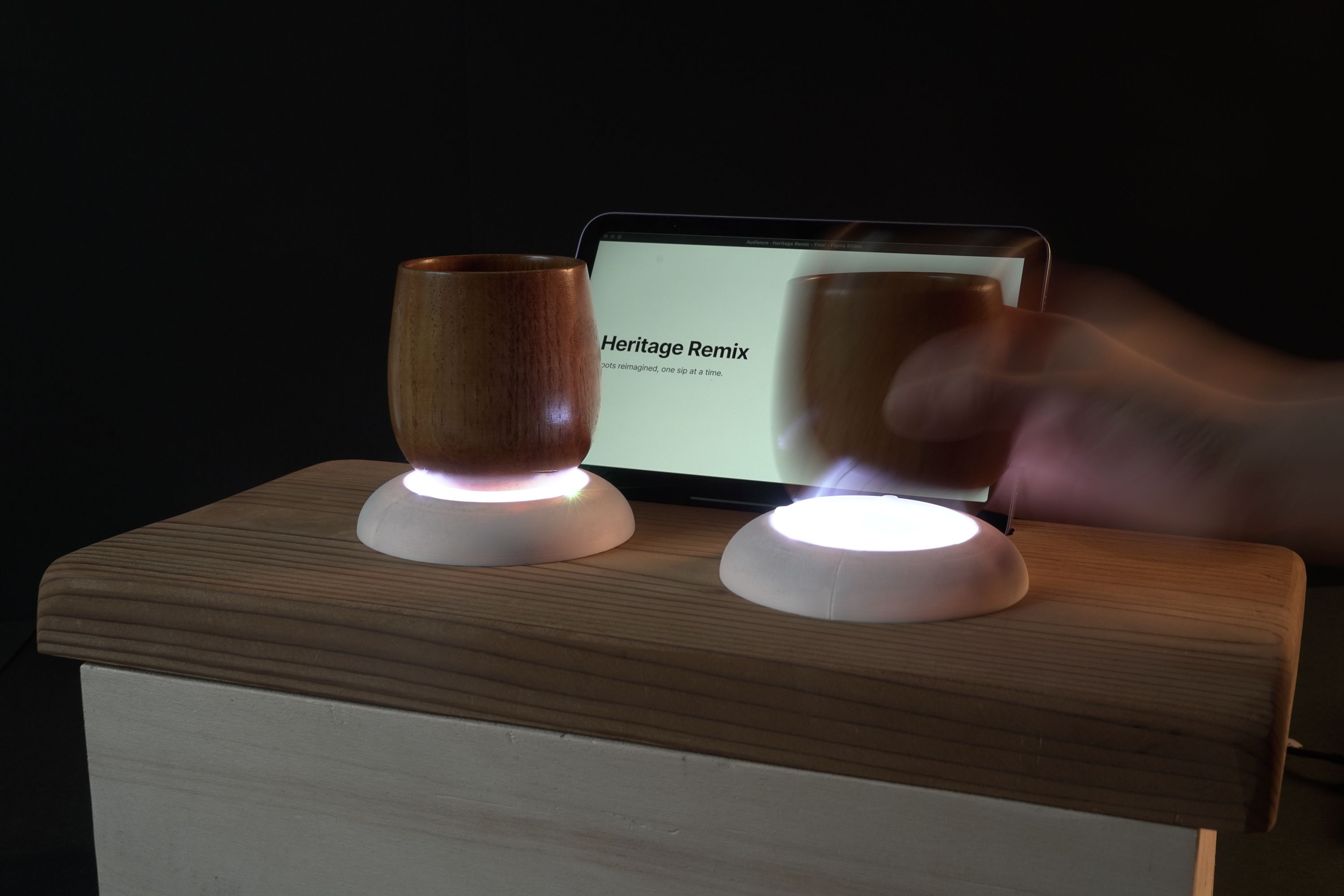
In five years, I see Heritage Remix evolving beyond a single project into a scalable framework that other indigenous and diaspora communities can adapt to their own cultural practices. The core idea using technology to support shared rituals and storytelling rather than replace them has the potential to grow through collaborations with cultural institutions, museums, and community organisations. Personally, I see myself continuing to work at the intersection of UX design, culture, and social impact, focusing on projects that address identity, belonging, and collective experience. Heritage Remix represents the direction I want my practice to take that is design that is slow, respectful, and rooted in lived experience rather than trends.