Designers
Chad Harlan, Nivasaravindhan Thamburaj, Monika Przybylska-Rataj, Stefania Mereu
Year
2026
Category
Product
Country
United States
Design Studio / Department
Experience Team
Three questions to the project team
What was the particular challenge of the project from a UX point of view?
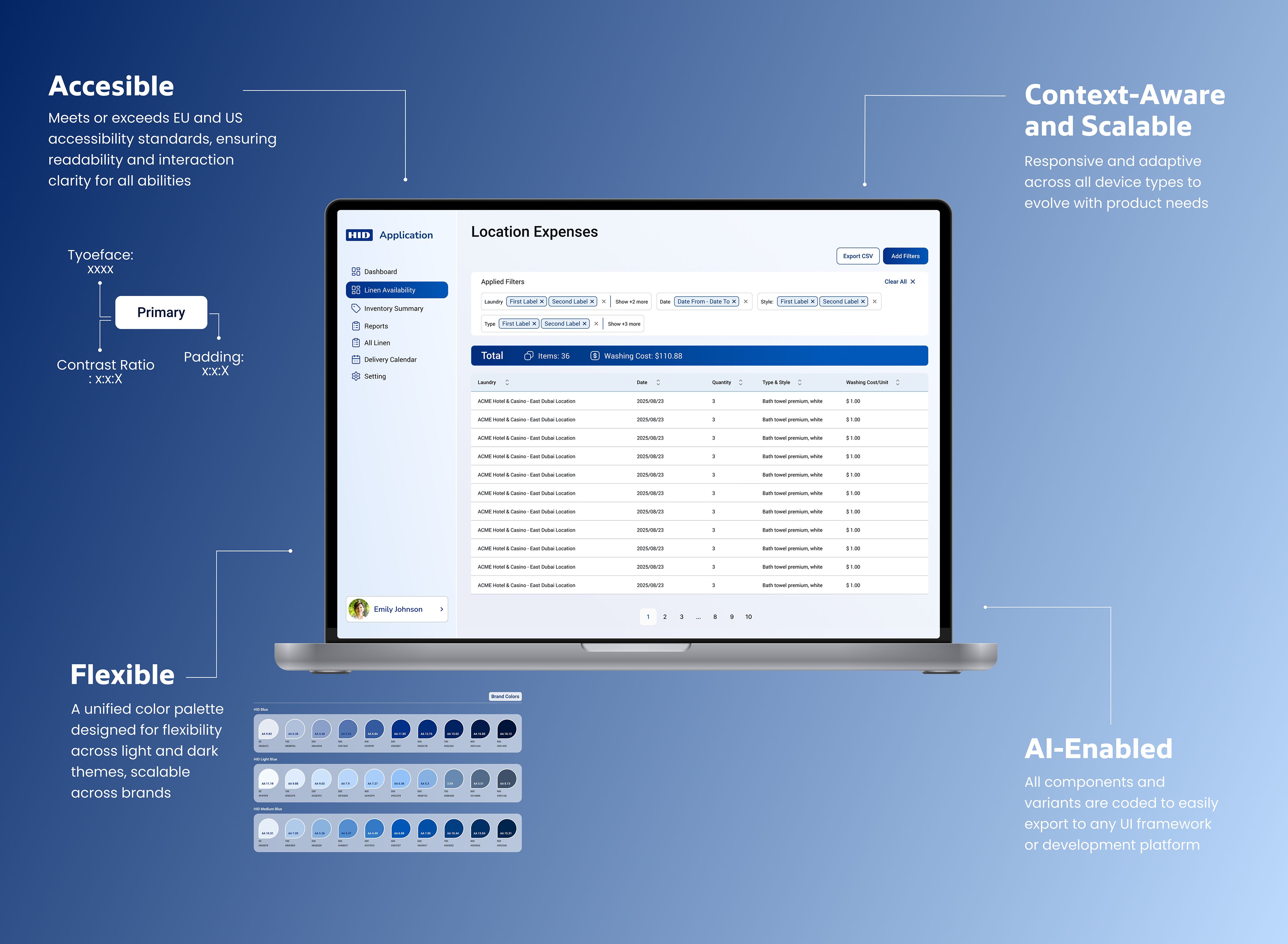
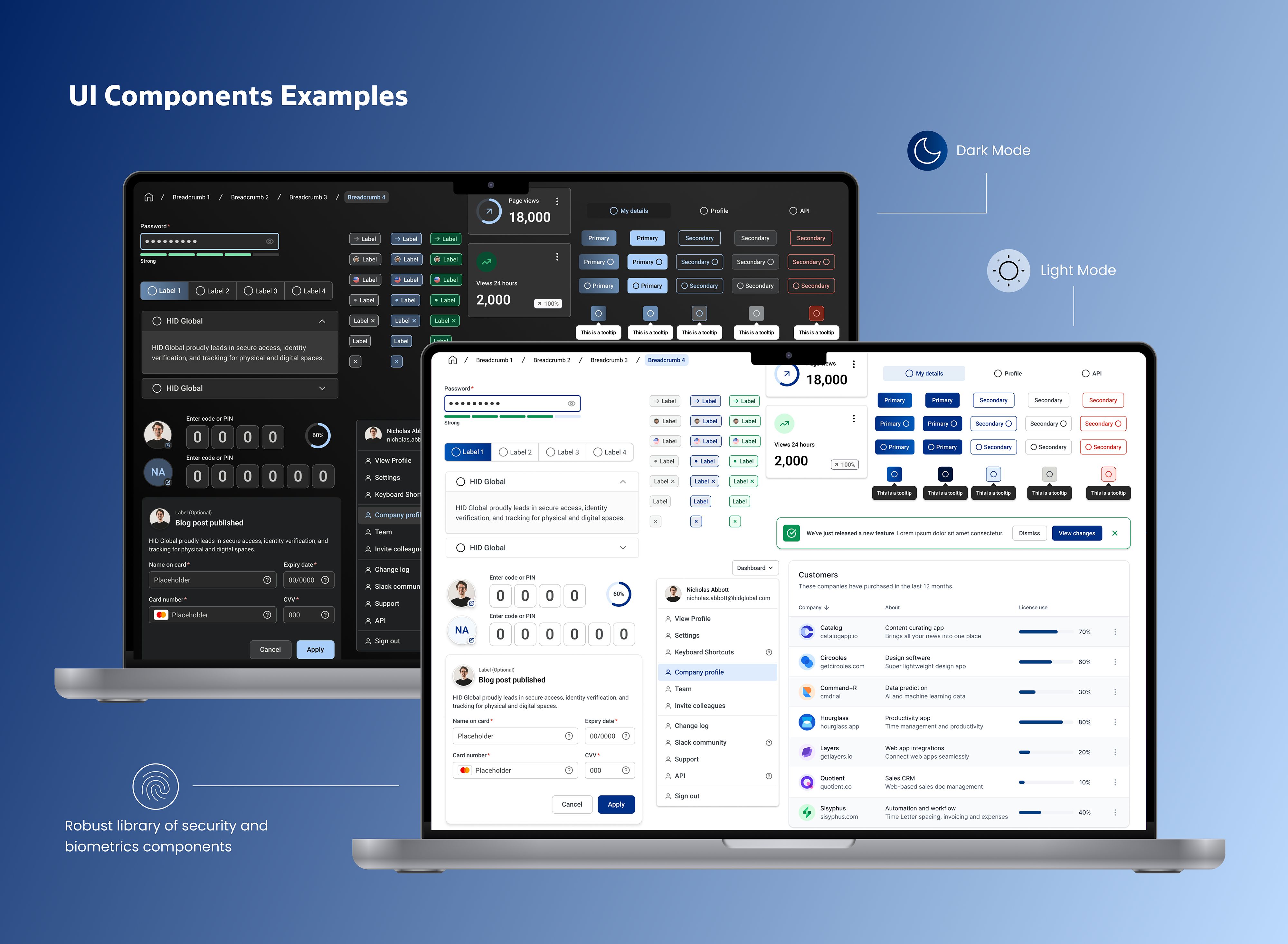
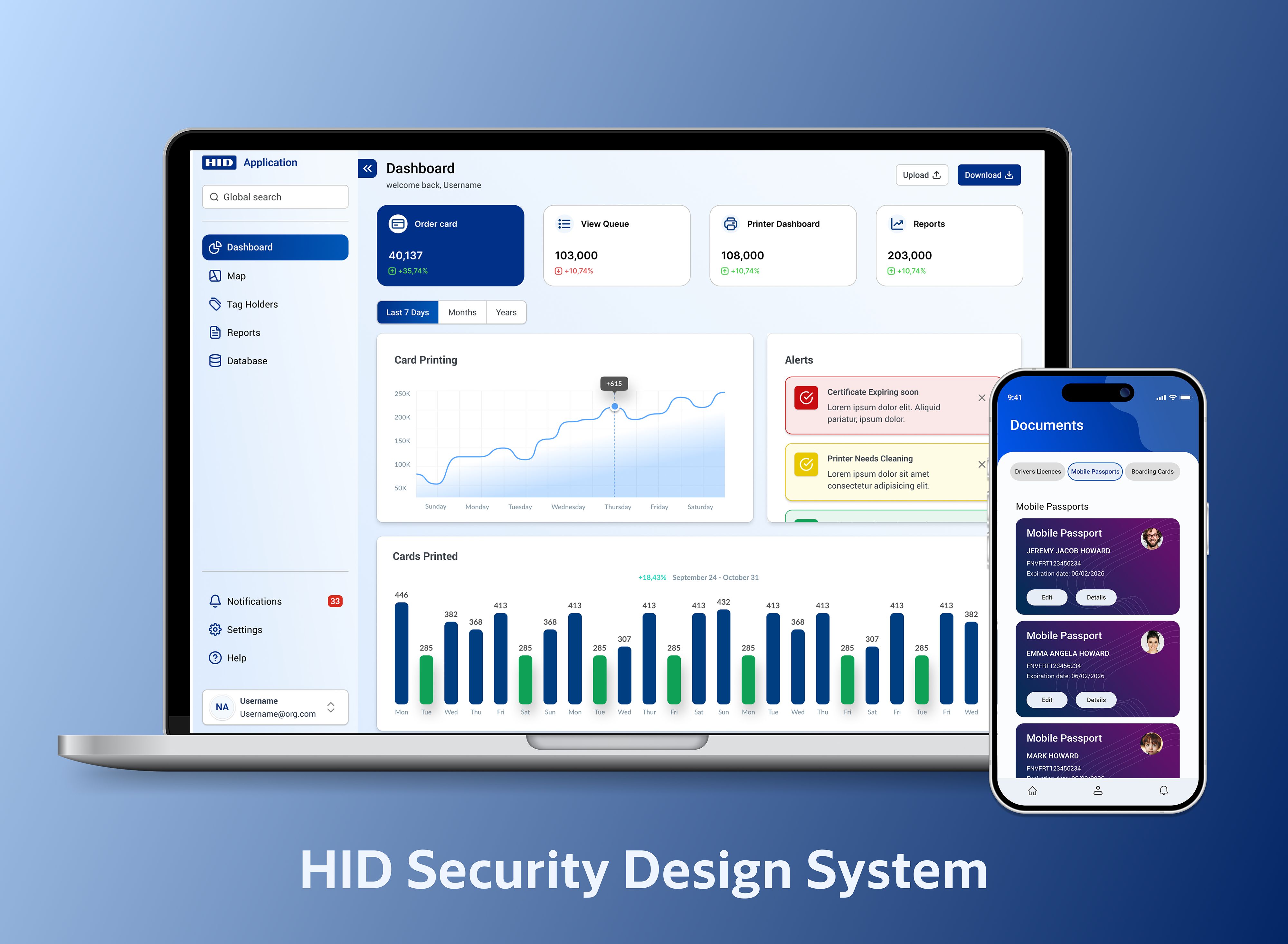
The biggest UX challenge was unifying years of fragmented interfaces, disconnected design decisions and legacy workflows into a single scalable system that teams could trust. We had to merge tokens, AI-assisted patterns, and strict accessibility standards while keeping the experience simple enough for fast adoption. Aligning designers, engineers and product teams required deep collaboration and constant iteration. Every component needed to solve real problems, reduce debate, and remove ambiguity. The real challenge wasn’t just building a design system it was transforming a complex, inconsistent ecosystem into a predictable, future-ready experience layer for the entire organization.
What was your personal highlight in the development process? Was there an aha!-moment, was there a low point?
My highlight was watching DS 2.0 evolve from a simple design library into a powerful productivity engine that genuinely changed how teams worked. The aha moment hit when engineering shared that the system removed ambiguity, reduced rework, and accelerated delivery from day one. The low point came early, facing resistance, political tension, and hesitation around accessibility, tokens, and AI-driven workflows. But once teams used DS 2.0 on real features and experienced the consistency, clarity, and decision-making speed it created, momentum flipped. Adoption became effortless, and teams began advocating for more components, stronger guidelines, and deeper integration, proving the system’s long-term strategic value.
Where do you see yourself and the project in the next five years?
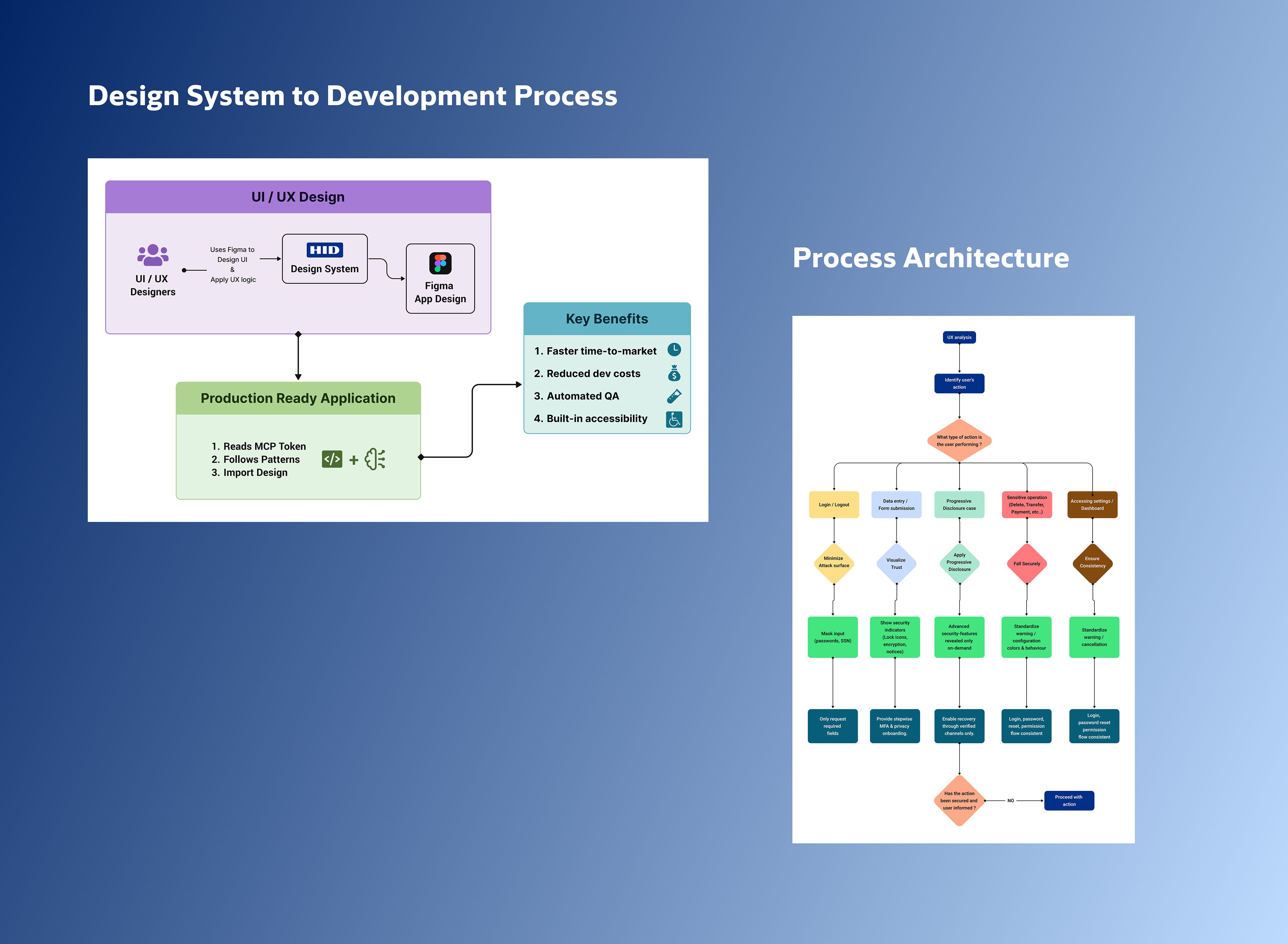
In five years, I see DS 2.0 evolving into an autonomous, AI-driven experience platform powering every digital product across the organization. Automated accessibility, real-time design-to-code sync, predictive pattern updates, and intelligent governance will be built directly into the workflow. The system will adapt faster than teams can manually update it, learning from usage and improving continuously. I see myself leading this evolution as an AI-focused, accessibility-driven product designer, shaping how we scale DS into a strategic engine that transforms our product ecosystem and elevates how teams design, build, ship, and innovate with greater clarity, quality, and confidence.