Designers
Yunseo Ma, Seojeong Park, Seohyun Lee, Seunga Jeon
Year
2026
Category
New Talent
Country
Korea, Republic
School
Hongik University
Teacher
Sangmok Jeong
Three questions to the project team
What was the particular challenge of the project from a UX point of view?
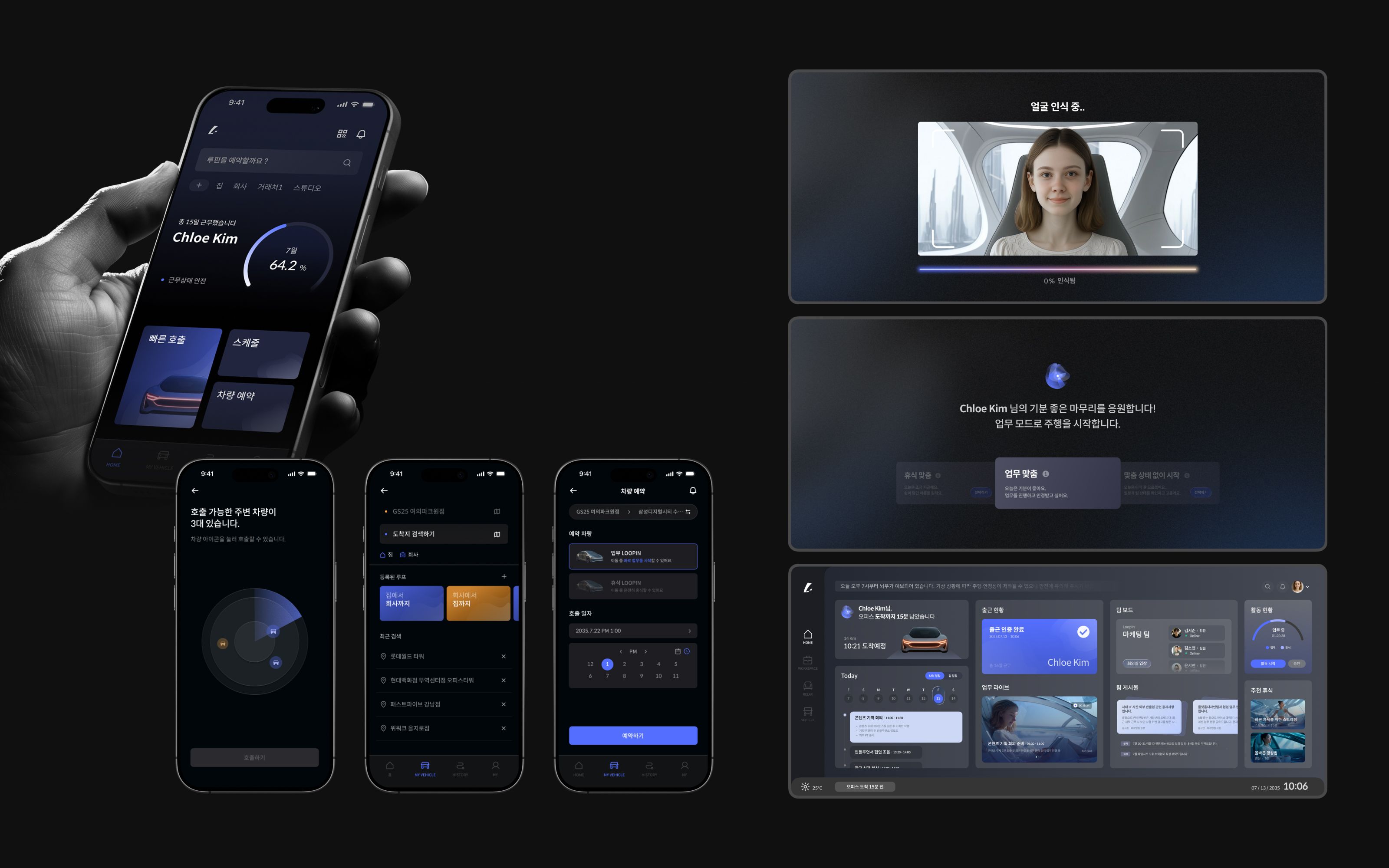
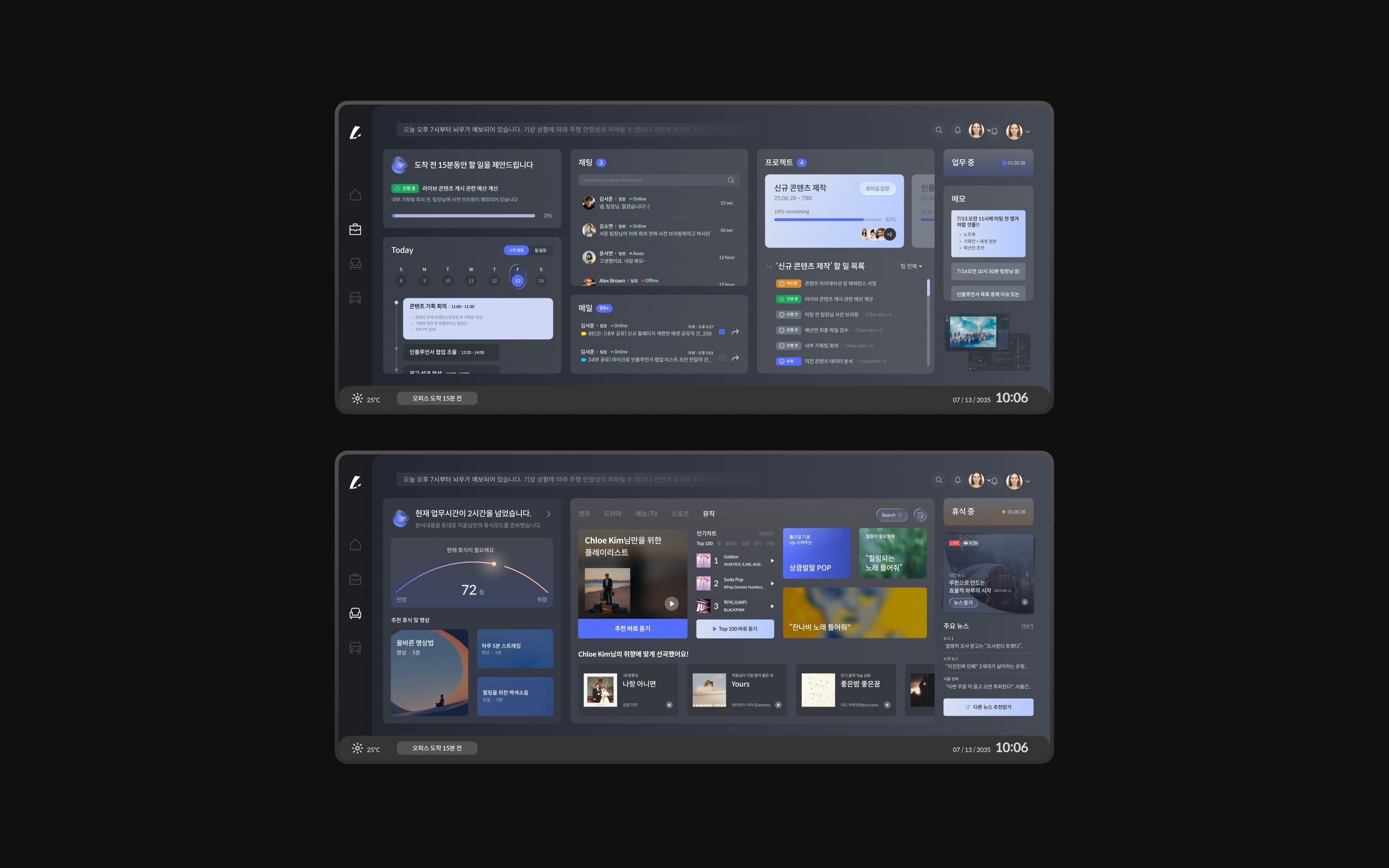
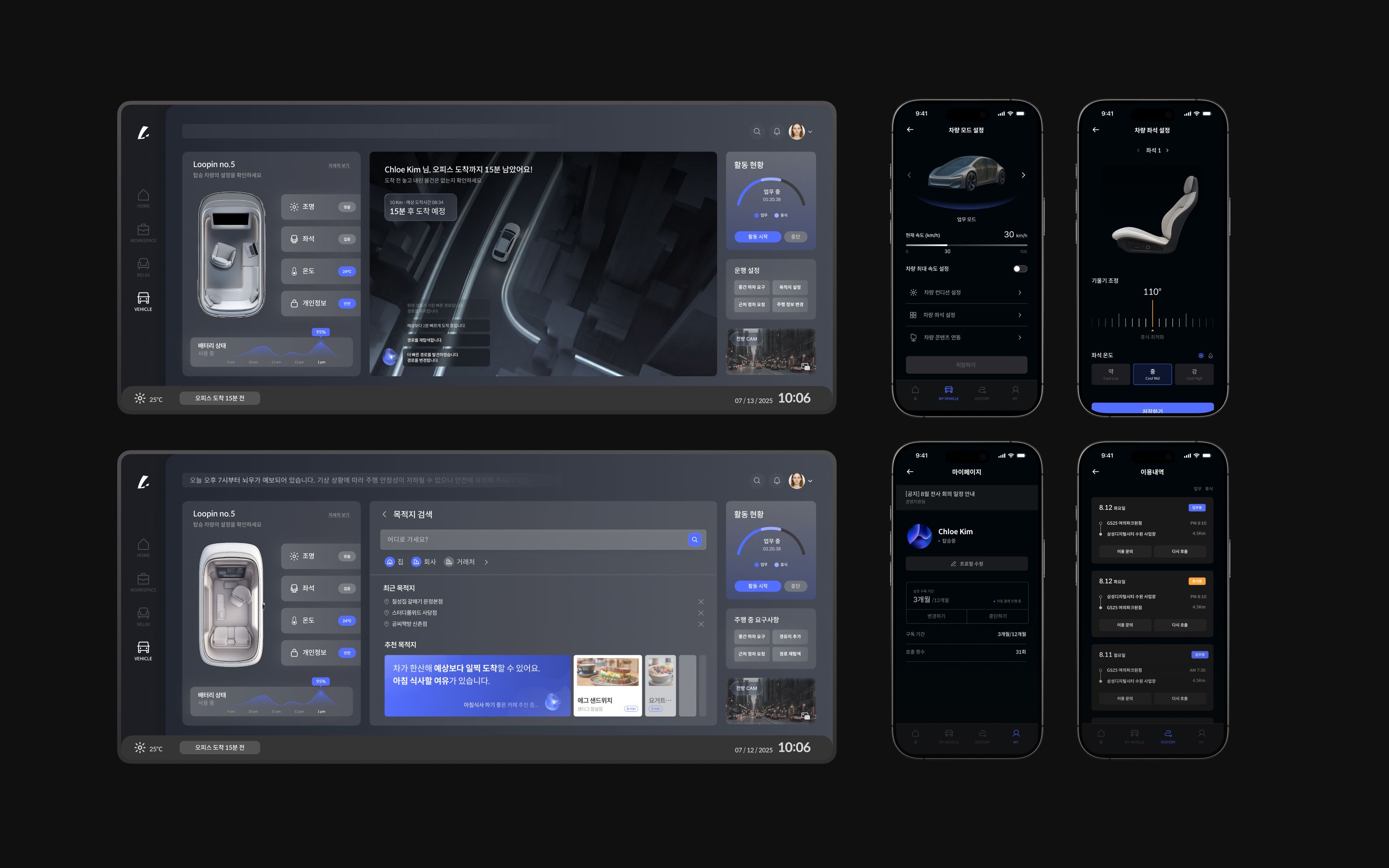
The main UX challenge for our team was redefining commuting time as a meaningful experience rather than a passive routine. Users generally have low expectations for mobility, so our goal was not simply to add features but to shift the perception of what this time could offer. Another challenge was balancing different in-vehicle modes such as rest, work, and preparation within a shared physical space. Since a PBV combines spatial, environmental, and digital layers, the experience needed to feel adaptive yet predictable for multiple users. Aligning our different design perspectives into one coherent journey also required ongoing synthesis and refinement.
What was your personal highlight in the development process? Was there an aha!-moment, was there a low point?
Our highlight was realizing that mobility can support emotional transitions, not just physical movement. Through scenario work, we observed users naturally shifting their mood during commuting, which led us to define modular in-vehicle states. This insight clarified the overall direction. A low point occurred when our early prototypes diverged, making the service feel like separate solutions. Returning to the user’s daily rhythm helped us unify the concept and regain momentum as a team.
Where do you see yourself and the project in the next five years?
In five years, we hope this project evolves into a real mobility experience that reframes commuting as personal, meaningful time. As PBVs and autonomous systems advance, the idea could grow into a platform that adapts to users’ emotional and functional needs. For our team, this project represents an important foundation in understanding how digital and spatial experiences can converge, and we hope to continue exploring design that supports users’ everyday transitions.