Designers
Guilherme Lambert Machado, Andrea Frer, Lucija Pezer, Filippo Ghioni, Dhruvi Harsora
Year
2026
Category
New Talent
Country
Italy
School
Polytechnic University of Milan
Teacher
Beatrice Villari
Three questions to the project team
What was the particular challenge of the project from a UX point of view?
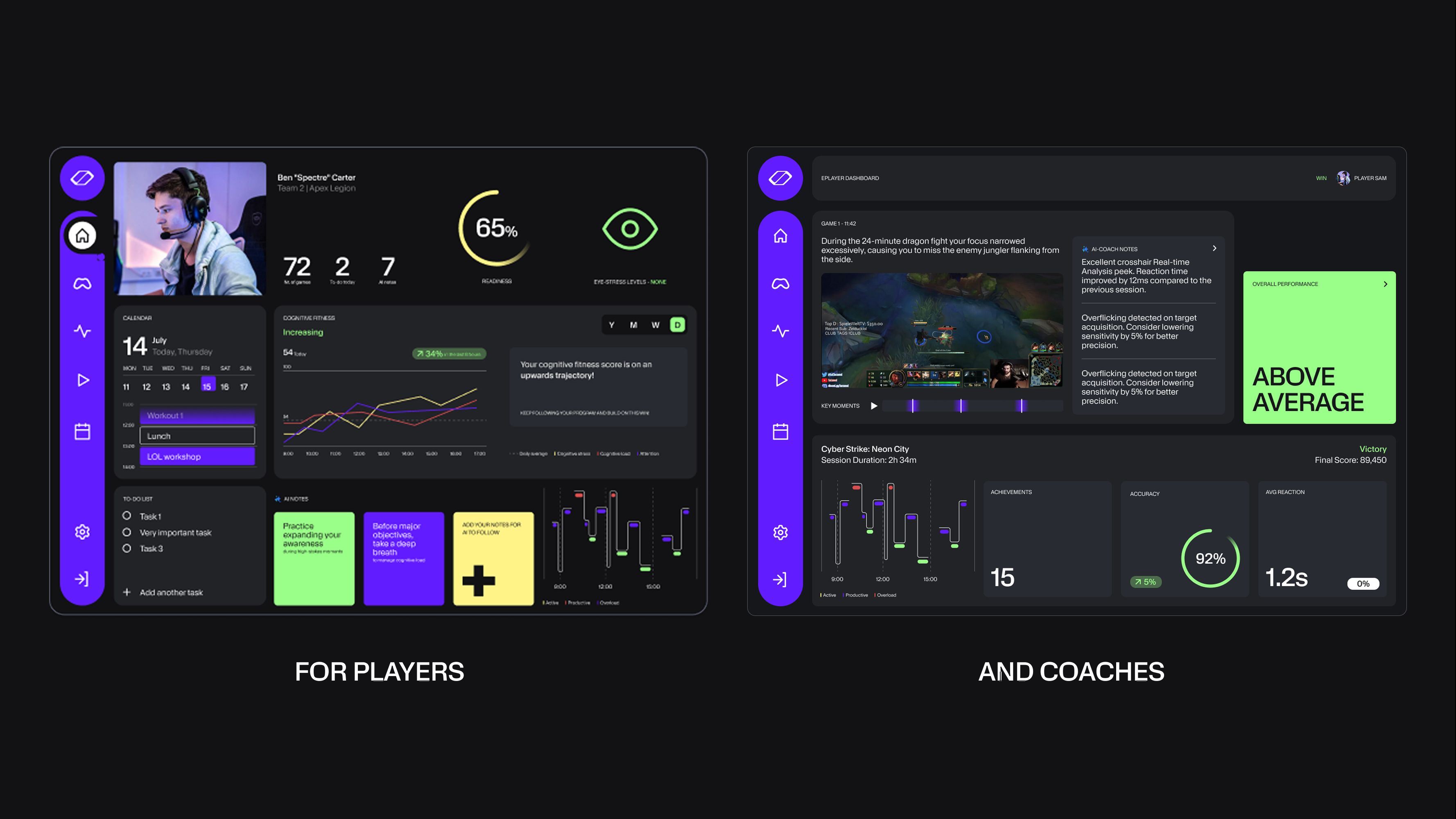
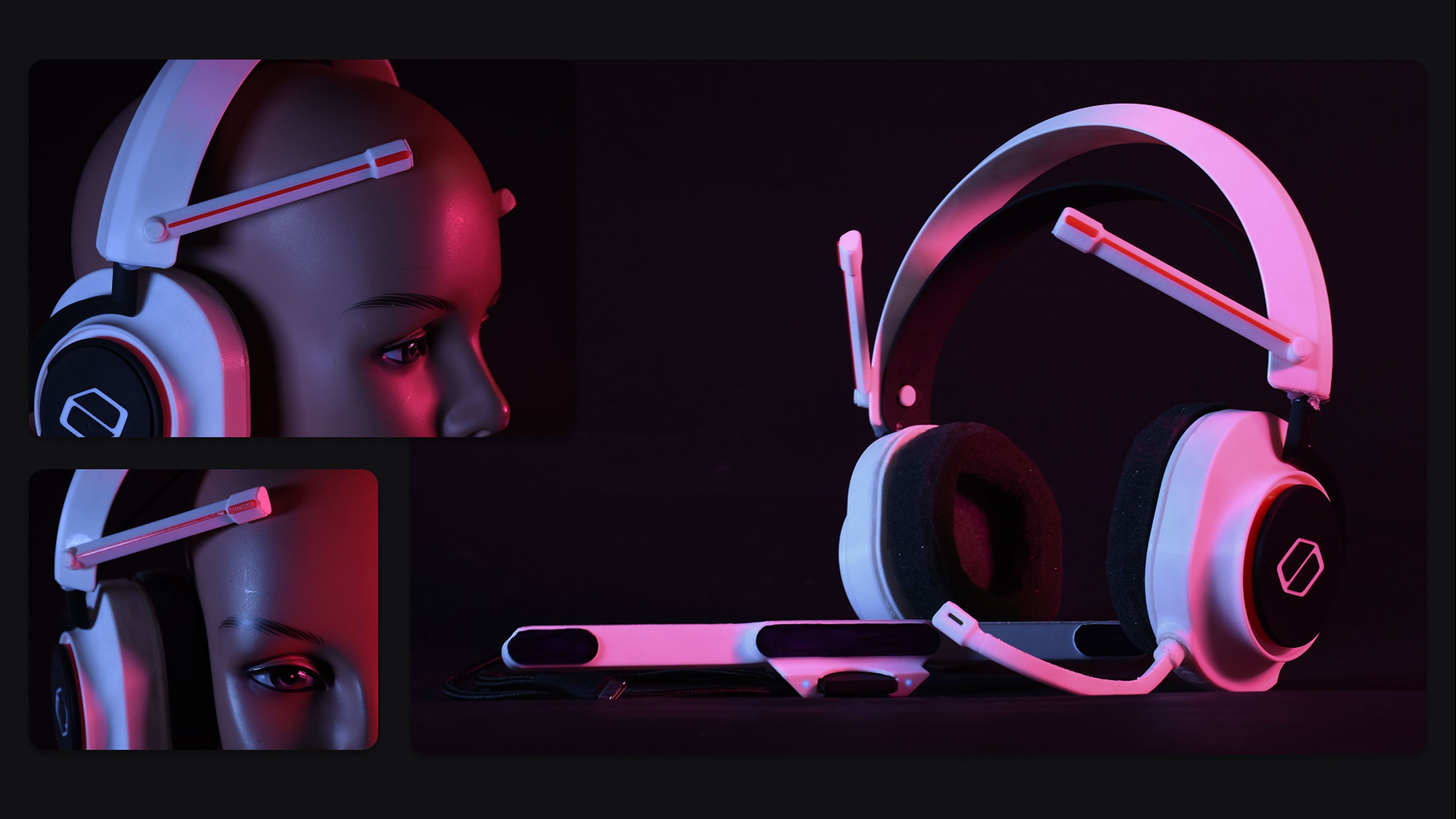
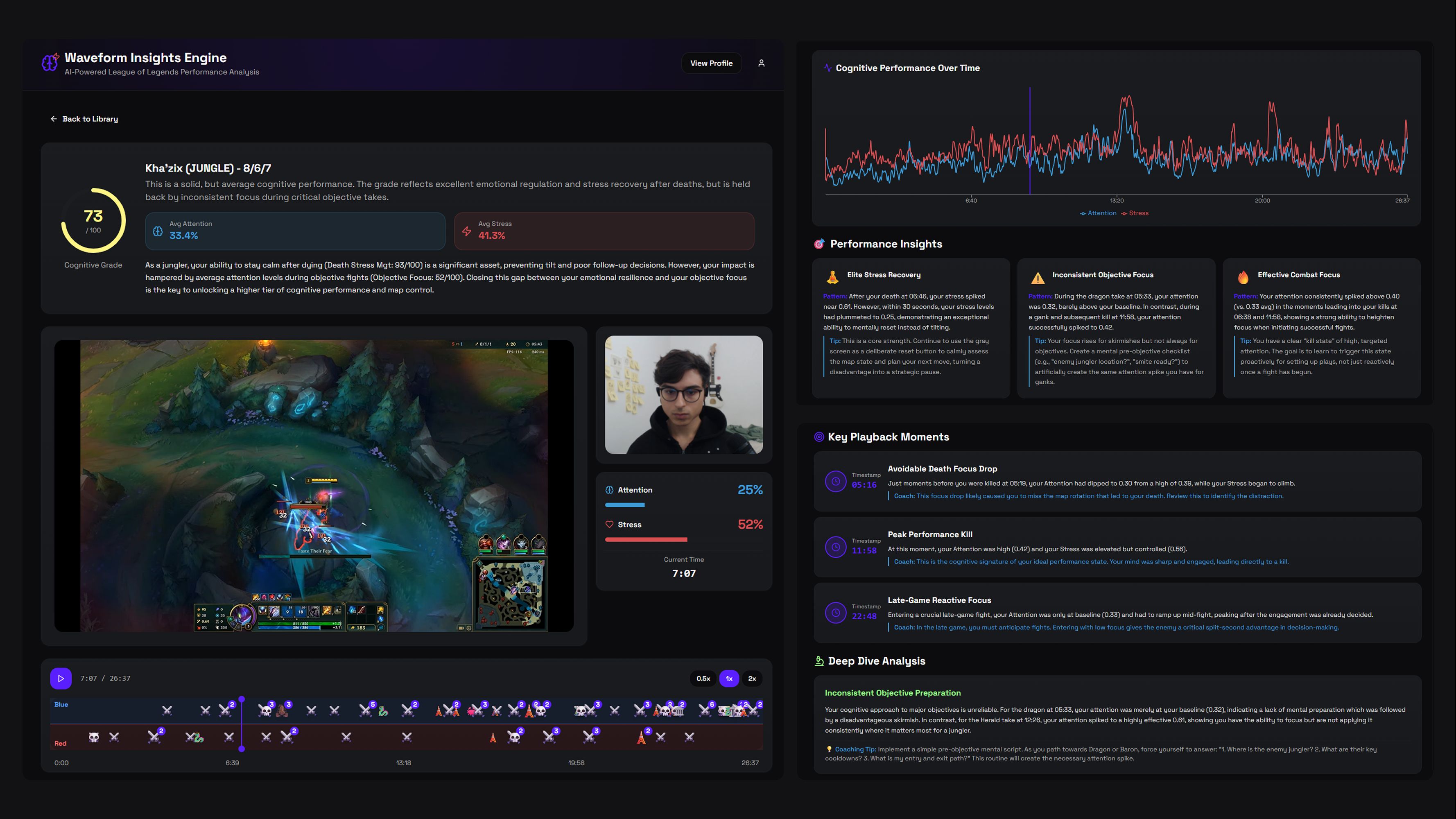
The main UX challenge was designing an experience that turns complex data into meaningful insights without interfering with performance. Research showed that players can get distracted by information during gameplay, or anxious with stress and fatigue data at the wrong moment. The interface therefore had to carefully balance clarity, timing, and tone, deciding not only what to show, but when and how to show it, communicating in their language. Another challenge was shifting from isolated events to long-term personal patterns, following advice from eSports psychologists, so players could work on their tendencies, not exceptions. This logic extended to the physical product, where ergonomics, aesthetics, and sensors needed to be unobtrusive.
What was your personal highlight in the development process? Was there an aha!-moment, was there a low point?
A very rewarding moment in the process to me was when we finally synthesized all our research insights into a clear and straightforward story. Through numerous interviews with players, coaches, and eSports professionals, and extensive desk research, we discovered a very wide range of interconnected problems. Organizing these findings became a real challenge, especially avoiding the common designer trap of trying to solve everything at once. After many iterations, schematics, and discussions, we arrived at a simple but powerful insight: players focus narrowly on performance outcomes while overlooking how mental and physical states directly shape those results. Addressing this invisible relationship became the core goal of the project.
Where do you see yourself and the project in the next five years?
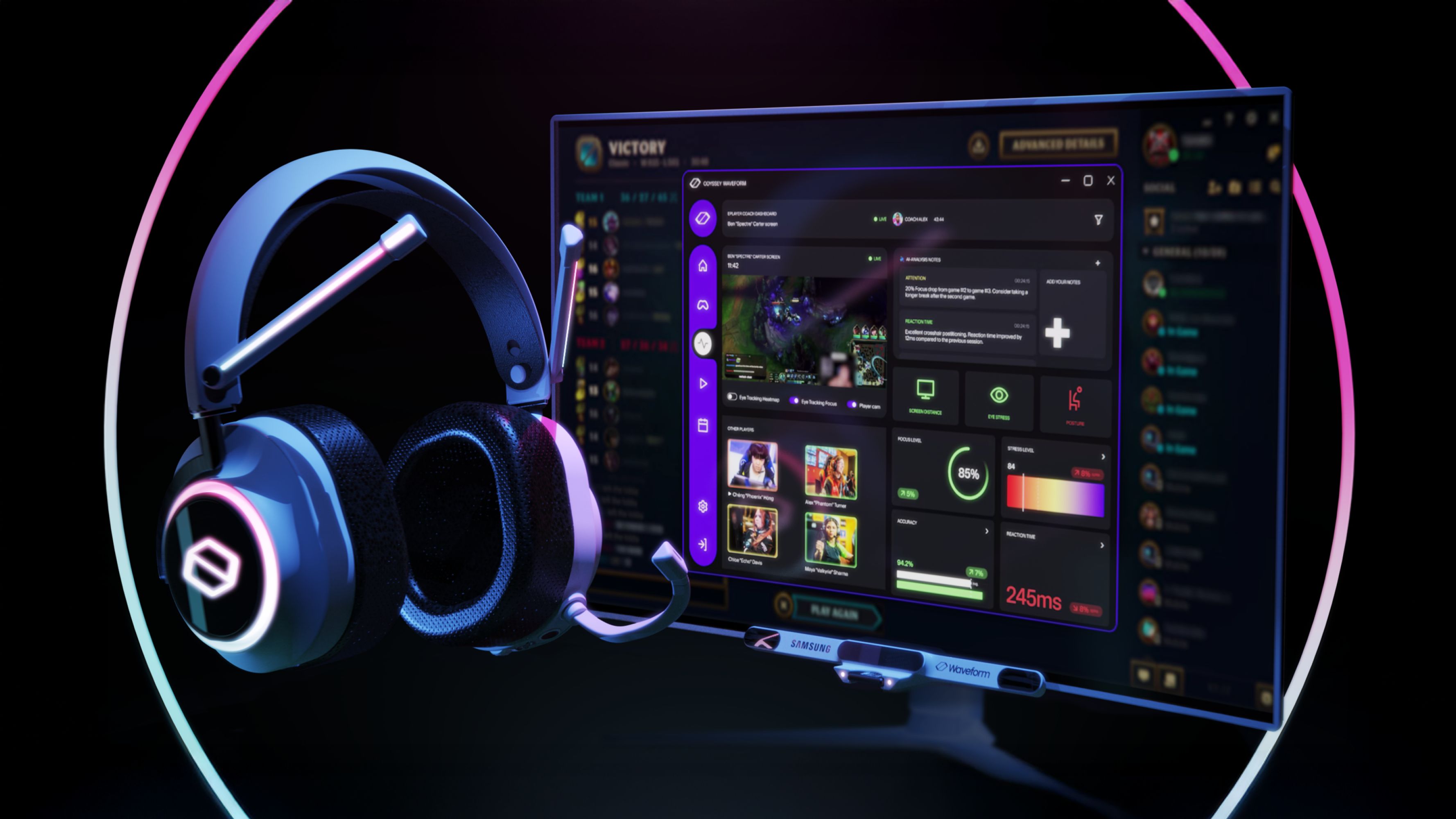
Over the next five years, Odyssey Waveform is envisioned to evolve from a conceptual project into a tested and scalable eSports training ecosystem. The group project established the core insight, system logic, and user experience vision, while later academic work built on this foundation through the development and testing of a functional software MVP with professional players. Future steps would focus on more testing with players and teams, refinement of the software platform, the integration of additional signals such as eye-tracking and more specialized AI models. In parallel, the project could evolve to the co-development of the dedicated headset, with technology partners to well integrate sensors and data processing into the design.