Designers
Kumaresh Chinnaswamy, Deepali Sanjay Bhardwaj, Rajinikanth Rajkumar
Year
2026
Category
Product
Country
India
Design Studio / Department
Communication Design Group
Three questions to the project team
What was the particular challenge of the project from a UX point of view?
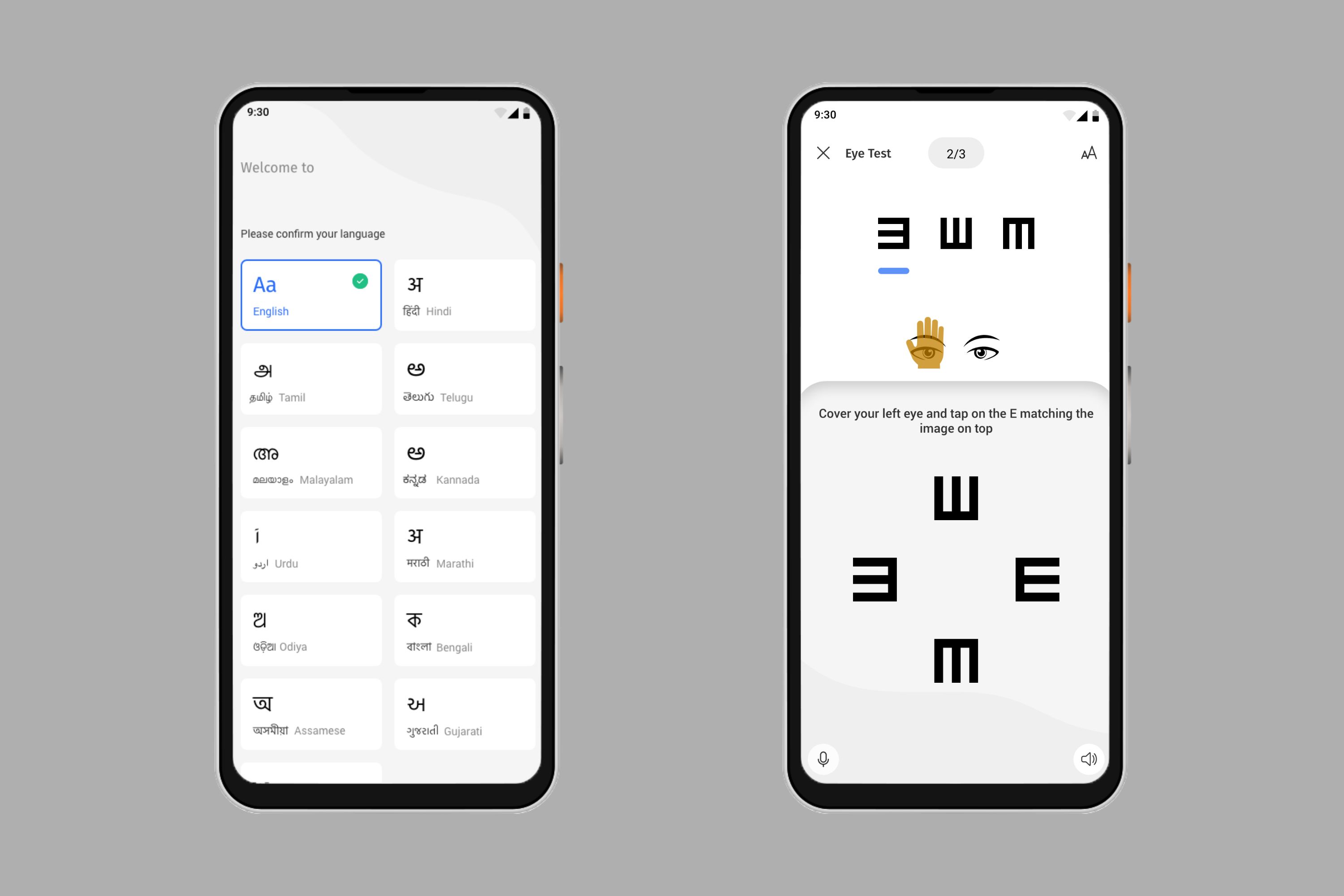
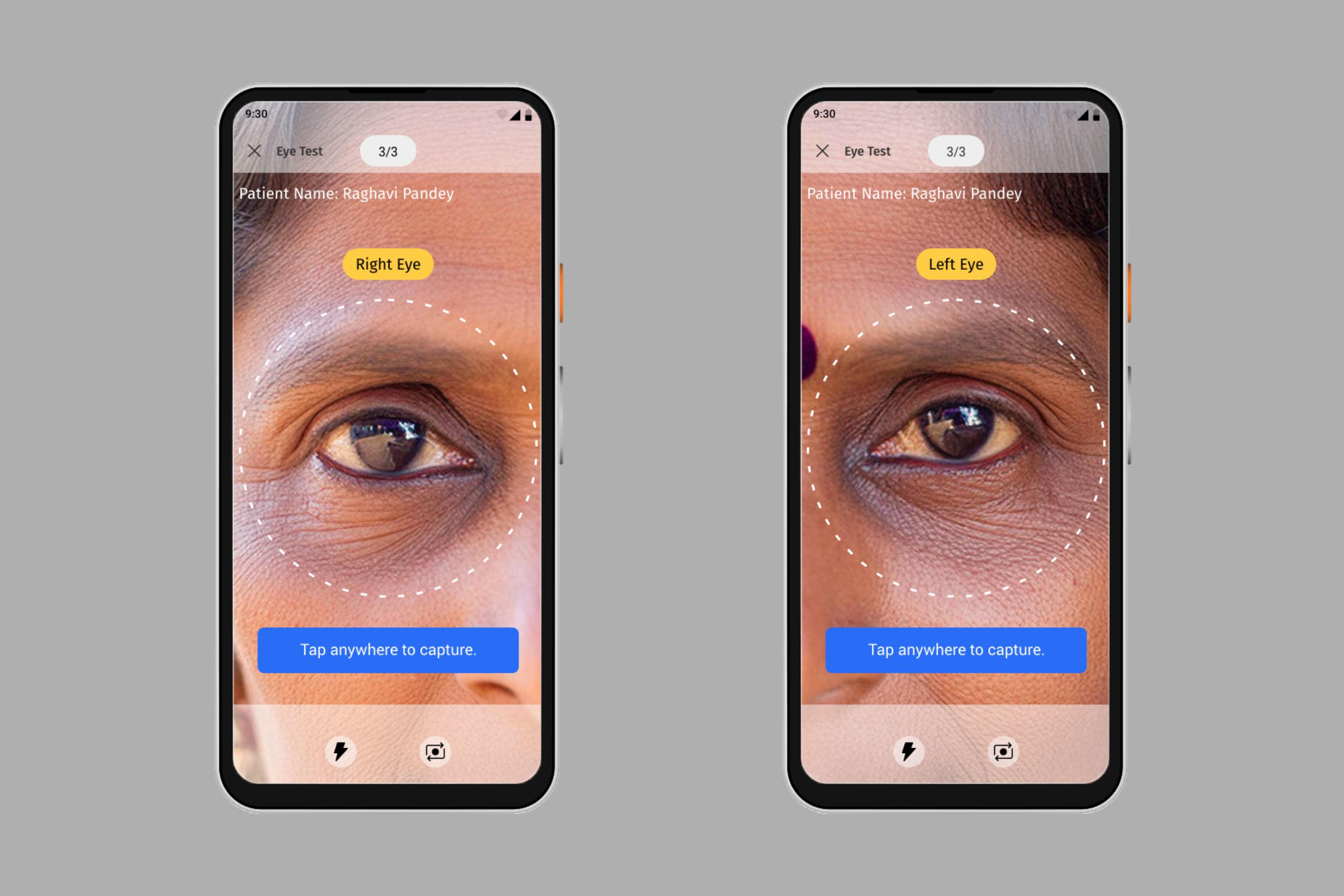
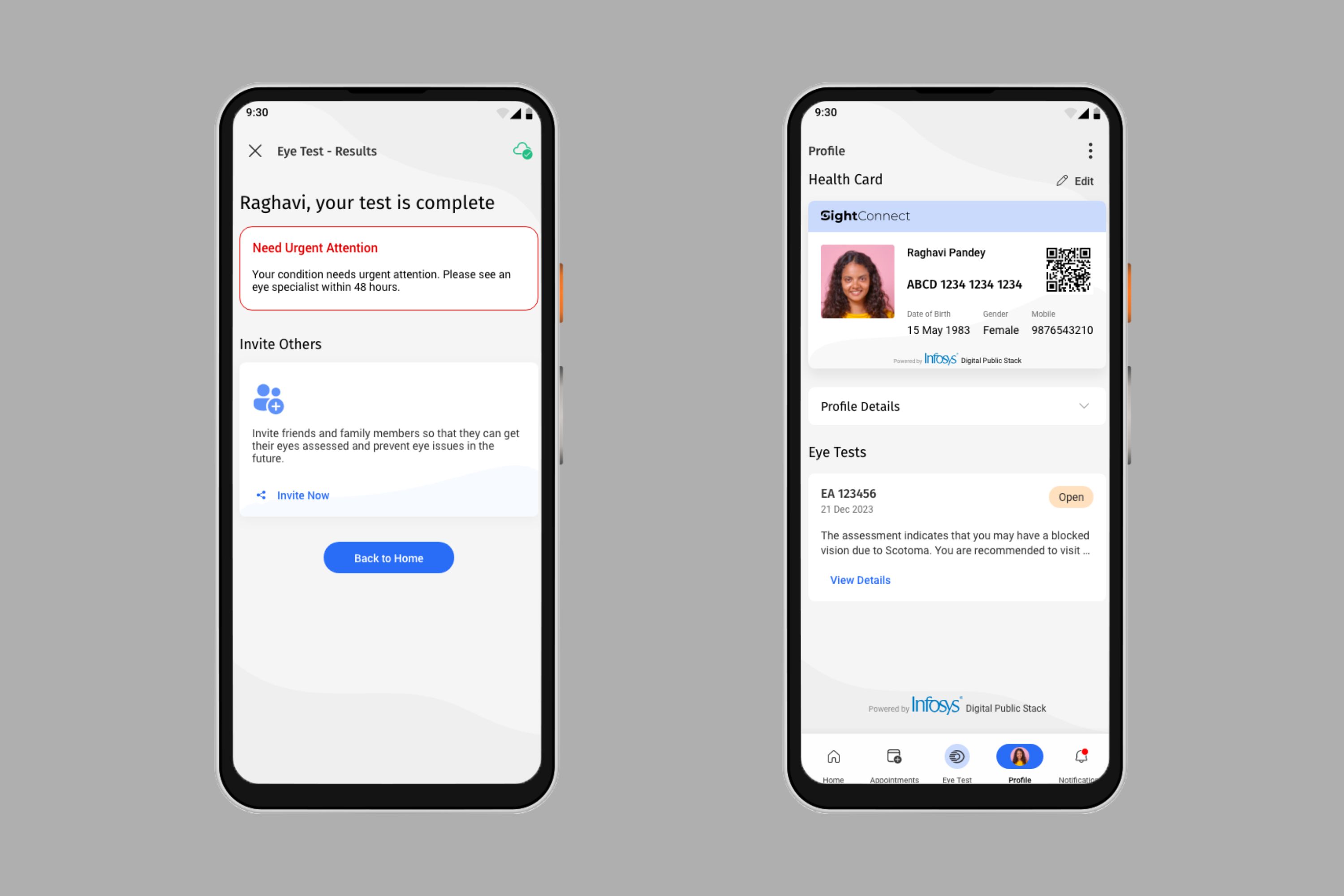
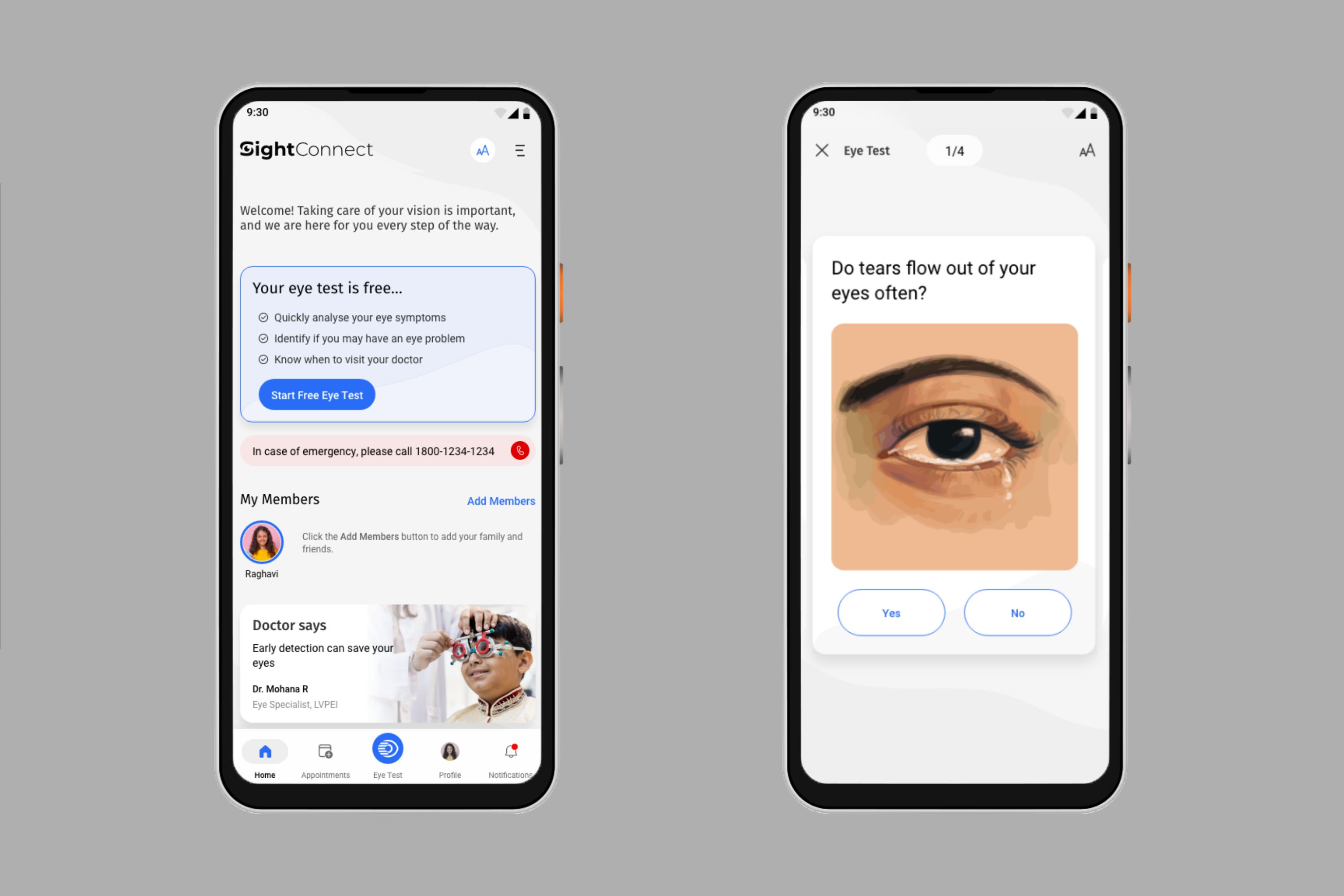
Designing SightConnect meant transforming tough field constraints into a trustworthy clinical experience. The core challenge was bridging the literacy gap—communicating health concepts through symbols, visuals, and guided interactions instead of text. With users facing low connectivity, limited tech exposure, and diverse devices, the UX had to be offline ready, stable, and universally clear. Building trust required simple, credible flows that mirrored ophthalmologists’ triage routines and underwent continuous expert review. Limited patient availability slowed testing, while unpredictable lighting and real world conditions demanded adaptive, error proof design. The challenge was uniting clinical rigor with radical accessibility.
What was your personal highlight in the development process? Was there an aha!-moment, was there a low point?
During a pilot, a first-time user with minimal literacy completed the entire eye test unaided—responding in his regional language and tapping symbols with confidence. Seeing his smile as the process clicked showed how inclusive design can unlock accessibility for millions with low literacy. That was our aha moment! When we began user testing, progress felt slow due to limited patient access and challenges aligning with clinical workflows, but validation from ophthalmologists confirmed that our simplified triage still upheld medical accuracy, uniting accessibility and clinical rigor. That was a highpoint, strengthening our belief that thoughtful design can drive meaningful real-world impact.
Where do you see yourself and the project in the next five years?
By 2030, SightConnect will become a standard vision screening tool across thousands of villages, fully integrated with public health programs, NGOs, and tele‑ophthalmology networks. The platform will expand into advanced tests powered by stronger on device AI, enabling early detection of conditions like diabetic eye disease and glaucoma. With global deployment, community health workers will screen confidently using a multilingual, symbol first UX that adapts to local contexts. Our vision is to achieve measurable reductions in preventable blindness and champion accessibility, clinical accuracy, and Tech for Good innovation—setting a new benchmark for inclusive health technologies that overcome barriers of geography, literacy, and resources.