Designers
Angeline Tong, Terence Chan, Cho Heewon, Elizabeth Tay, Aloysius Yeo, Siti Atikah Lizhen
Year
2026
Category
Product
Country
Singapore
Design Studio / Department
HOL Experiences Pte Ltd
Three questions to the project team
What was the particular challenge of the project from a UX point of view?
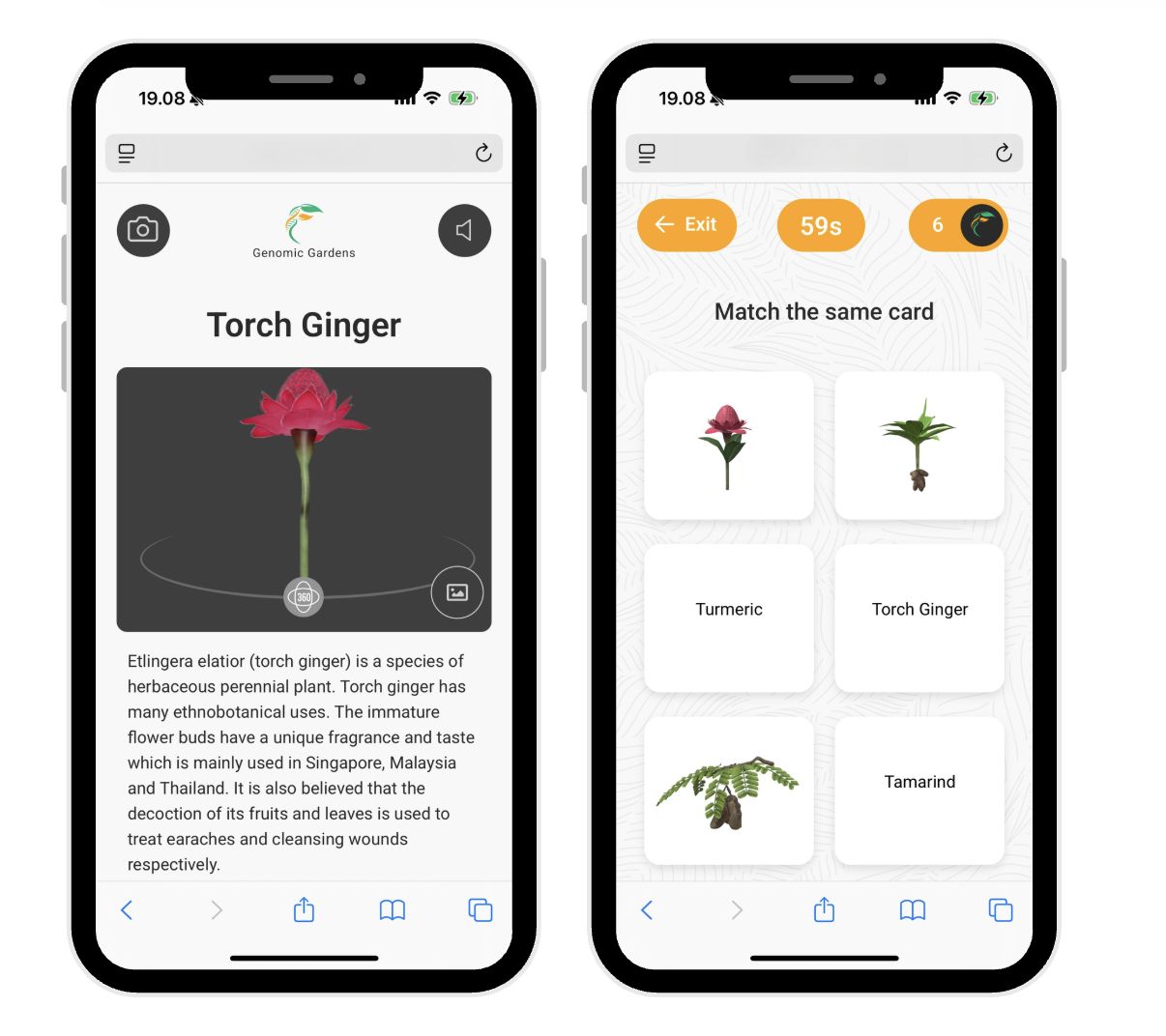
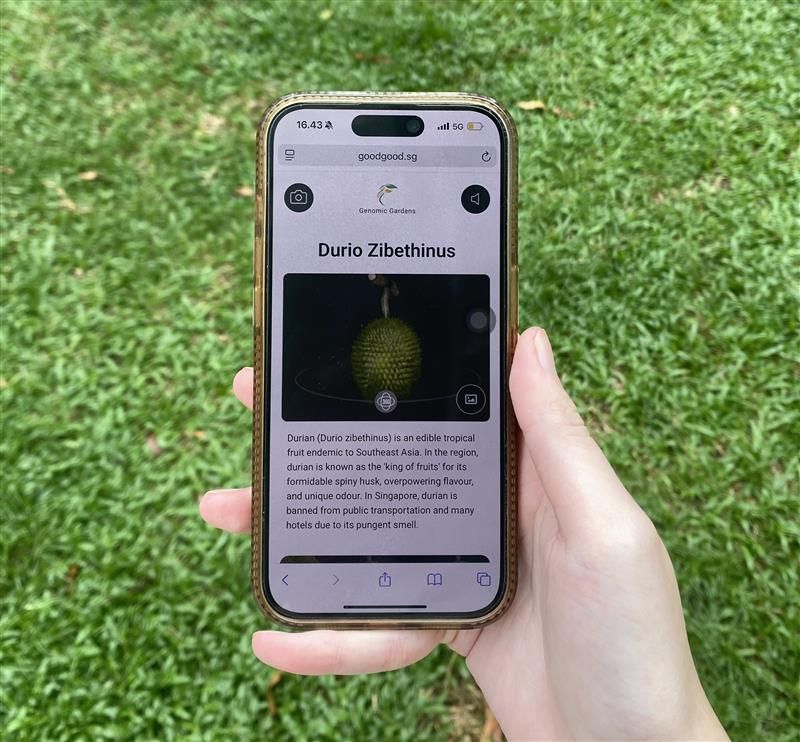
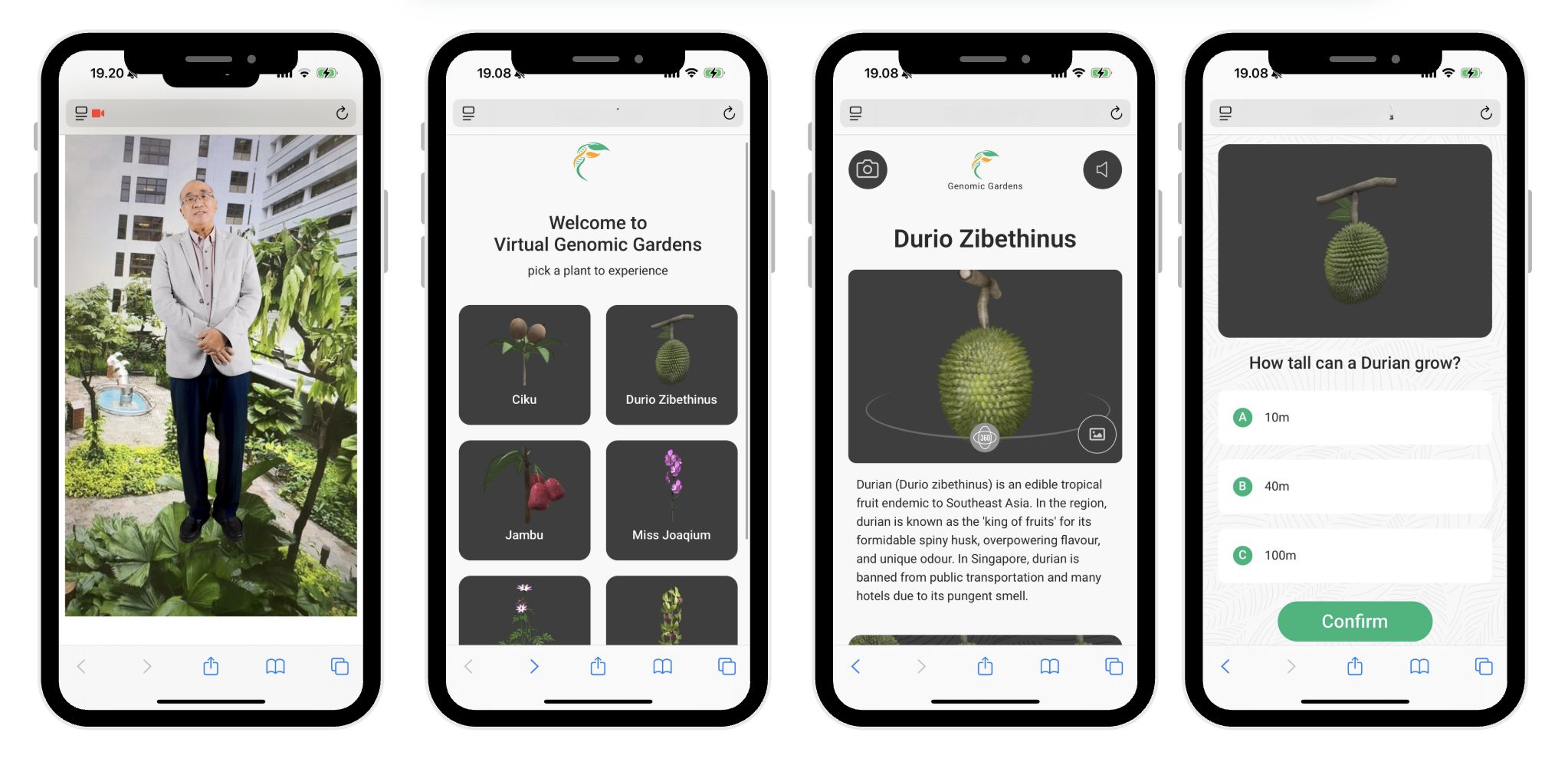
The challenge was managing the friction between two divergent needs: the patient’s requirement for psychological recovery and the donor’s need for systemic transparency. We addressed this by adopting a philosophy of technological restraint. To protect the sanctuary from digital noise, we rejected physical screens and hardware, instead utilizing a resource-efficient BYOD model. This invisible infrastructure serves two functions. For patients, it provides a private tool for self-paced discovery, restoring agency without the pressure of formal education. For stakeholders, it acts as a precision tool that reveals genomic narratives and the project’s impact without intruding on the public landscape.
What was your personal highlight in the development process? Was there an aha!-moment, was there a low point?
Our breakthrough came from the conscious rejection of the "Attention Economy." In a healthcare environment, a user interface that demands attention is an act of aggression. One of the most significant achievements was aligning engineering and stakeholder teams around a counterintuitive goal: designing for invisibility. We reframed the core metric from engagement to cognitive respect. The victory lay in the collective discipline to keep the system ambient and passive, remaining dormant until explicitly invited by the user. Shifting from a guided tour focused on control to an opt-in sanctuary focused on dignity demonstrated that the most powerful digital intervention in a hospital is often the one that knows when to disappear.
Where do you see yourself and the project in the next five years?
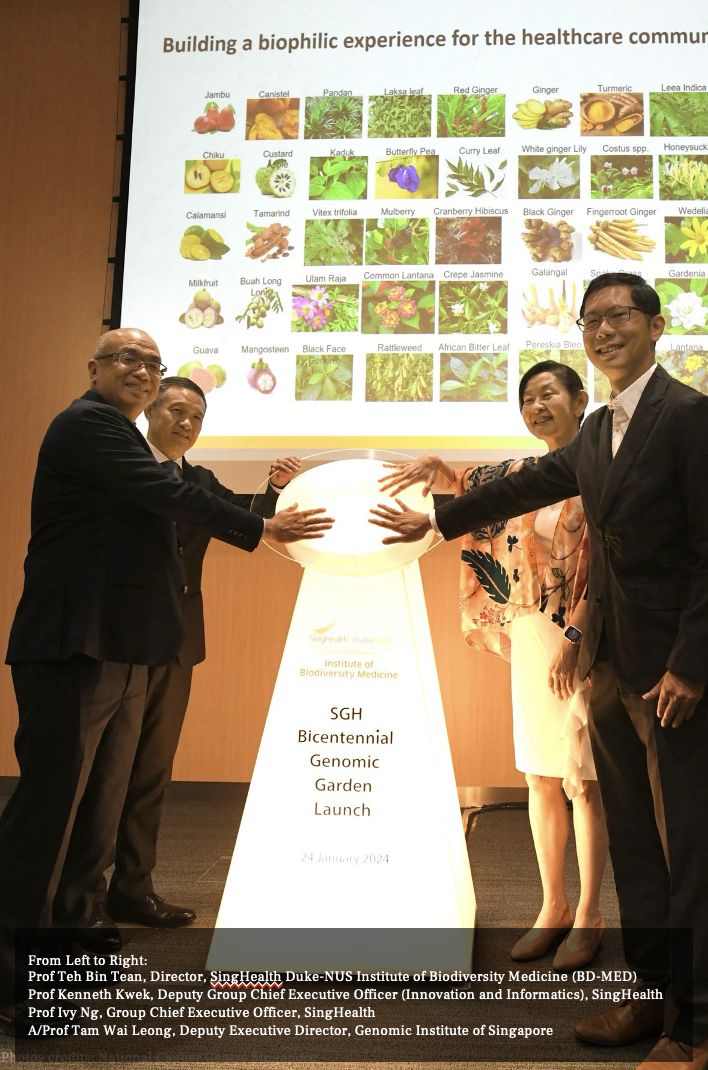
We view this as a systemic pilot for a distributed "Living Library" of regional biodiversity. In five years, the Genomic Garden model will scale across healthcare clusters, using our BYOD layer as a scalable infrastructure to democratize data without the environmental cost of hardware. Our goal is to evolve this interface into a precision tool for translational medicine. As BD-MED sequences 1,000 regional species, we will bridge that research with public health. We aim to establish a global precedent for "Productive Biophilia," where design moves beyond aesthetics to become a functional asset for both psychological recovery and active biomedical research, demonstrating that technology can responsibly honor our natural heritage.