Designers
Shuyu Wang
Year
2026
Category
Concept
Country
United States
Design Studio / Department
Chromia
Three questions to the project team
What was the particular challenge of the project from a UX point of view?
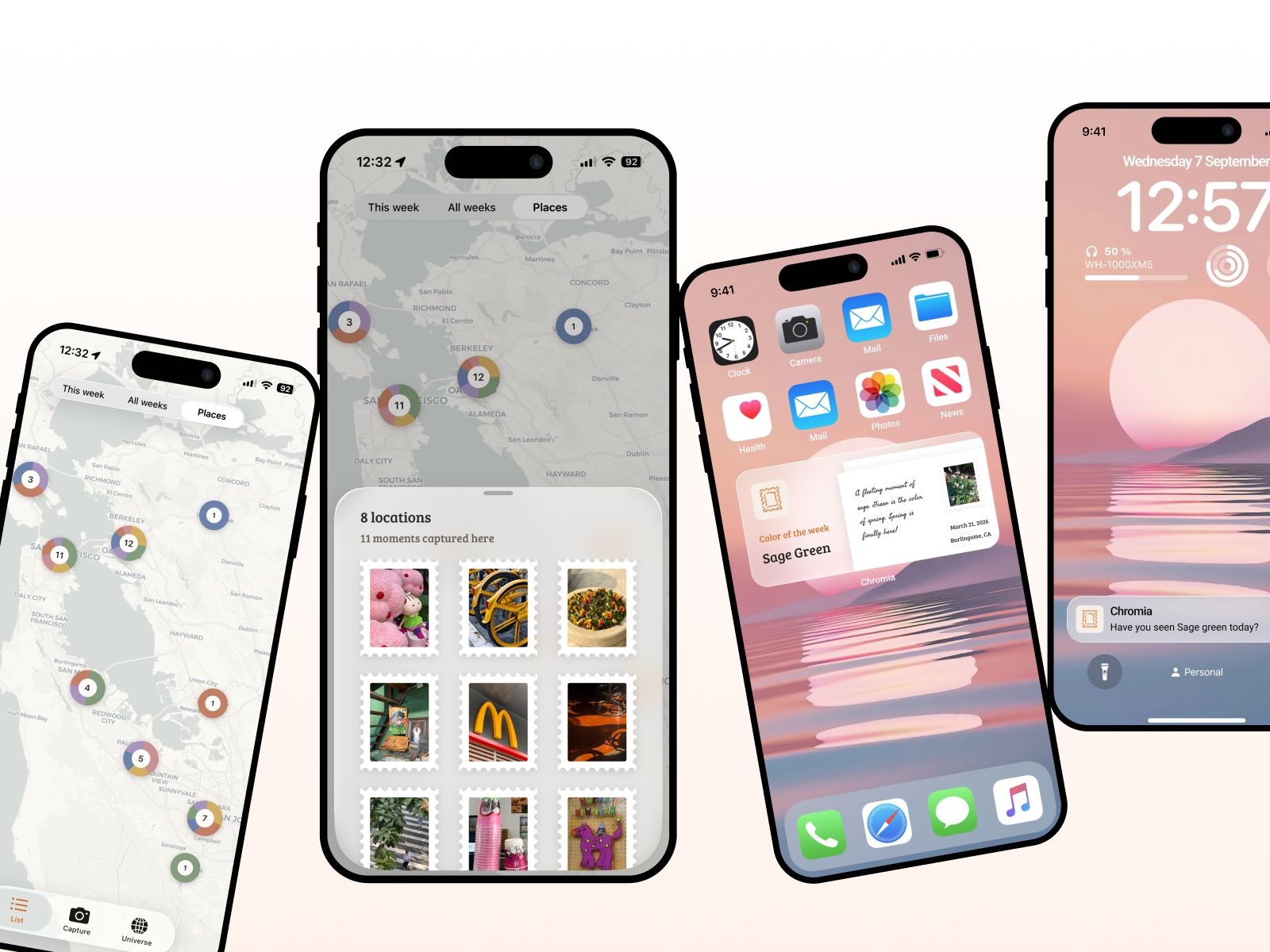
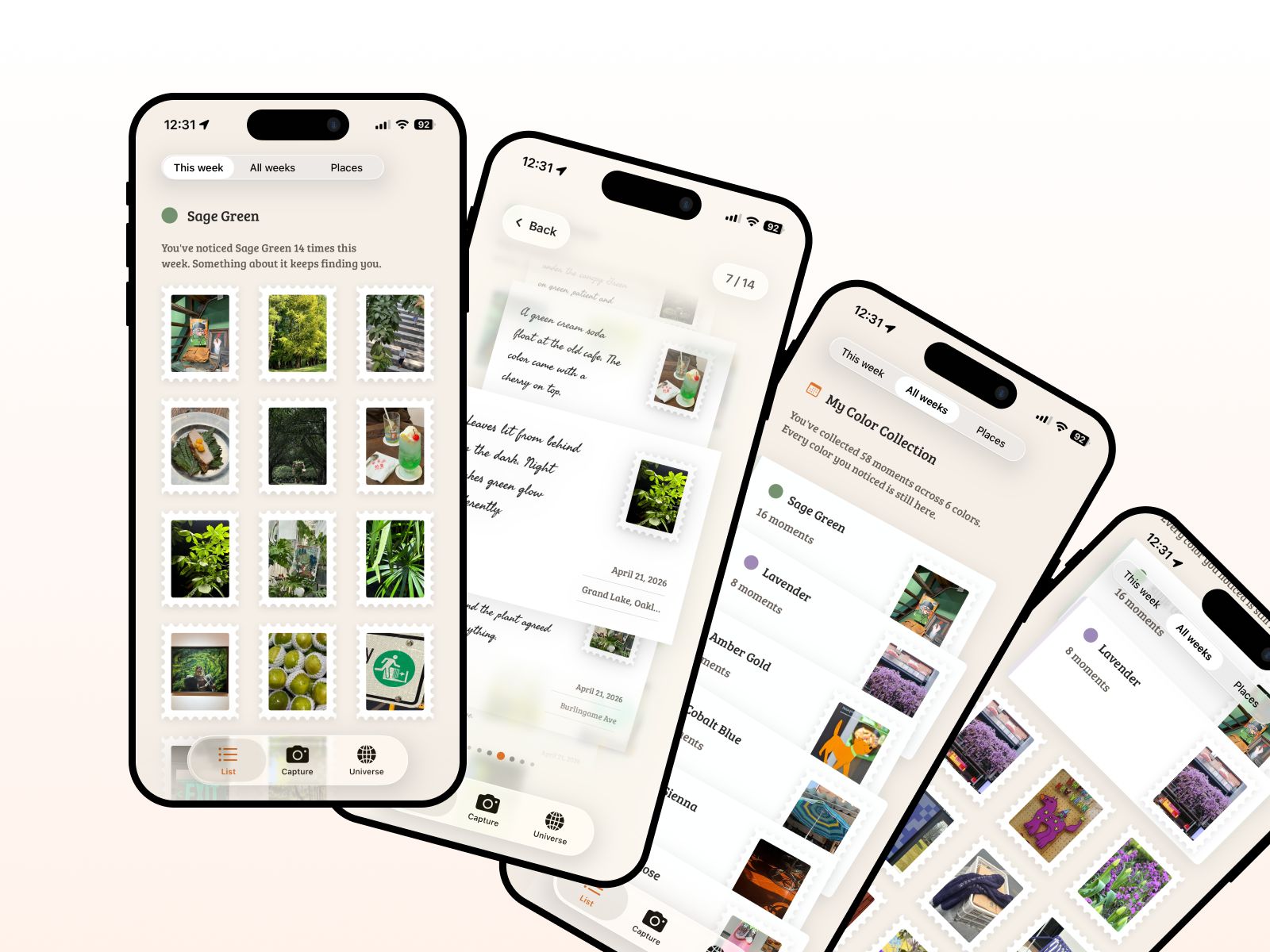
The UX challenge was to design for people who may have the least energy to engage. Many wellness products assume users can name, track, and optimize how they feel. Chromia starts from the opposite condition: when attention is low, the interface must be almost invisible. The system had to be structured enough to create a ritual, but light enough to avoid becoming another demand. That led to one weekly color, a short outdoor capture flow, no streaks or notifications, and an anonymous postcard mechanic that creates connection without performance.
What was your personal highlight in the development process? Was there an aha!-moment, was there a low point?
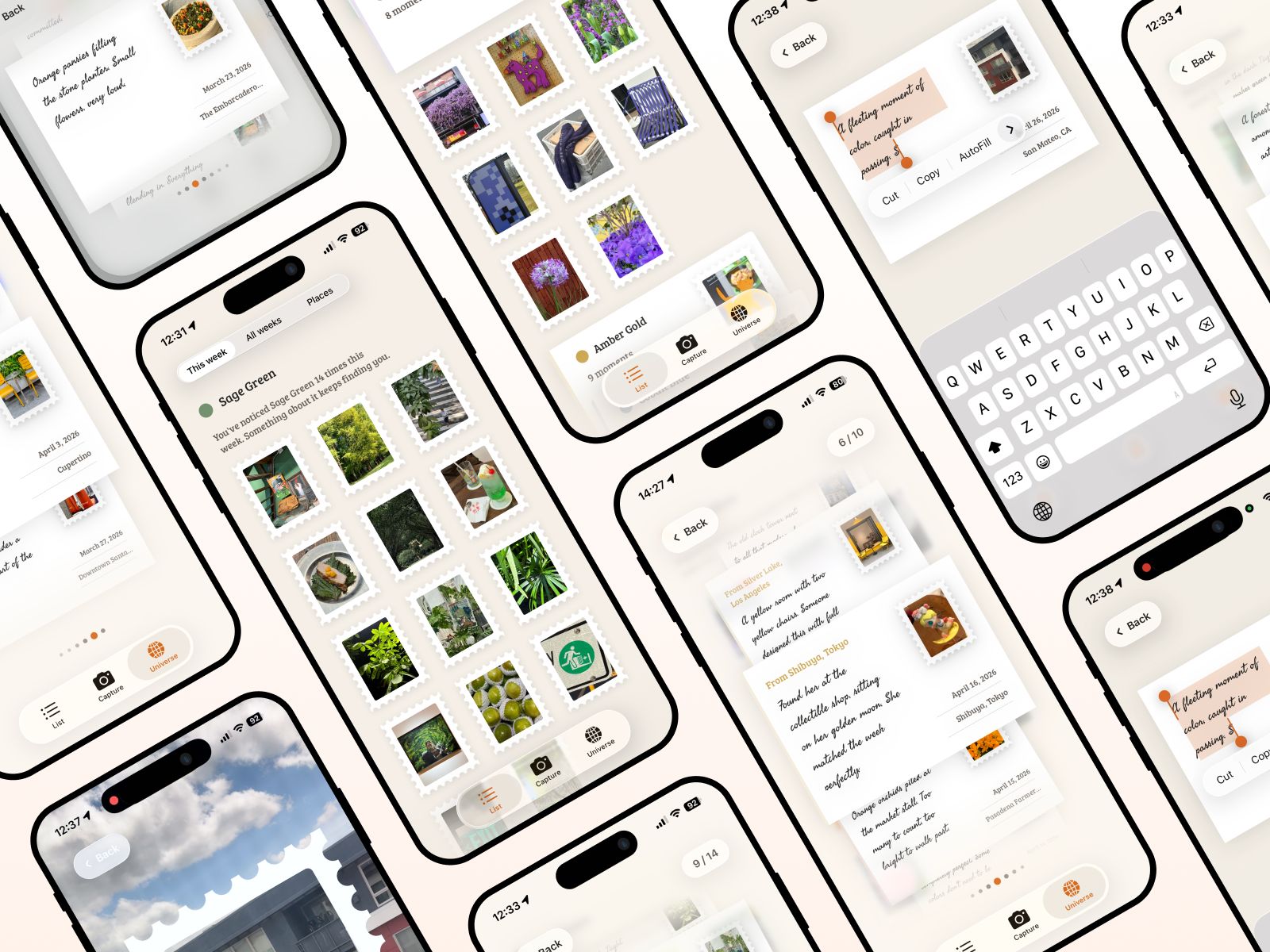
The aha moment was realizing that Chromia should not ask users to explain themselves. Early concepts leaned closer to journaling and reflection, but that made the experience feel like emotional homework. The breakthrough was the stamp: a small frame that turns noticing into an action, then into an artifact. It made the app feel less like a mental health tool and more like a gentle collecting practice. The low point was cutting features I liked, especially social mechanics, because they made the product more impressive but less honest to the people it was designed for.
Where do you see yourself and the project in the next five years?
In five years, I hope Chromia becomes a small but trusted ritual for people who want to reconnect with the outside world without turning their feelings into data. The project could grow into seasonal color prompts, community postcard exchanges, and partnerships with campuses, clinics, libraries, or public spaces, while keeping the core interaction private and low-pressure. For me, Chromia represents the kind of UX I want to keep making: systems that respect attention, reduce extraction, and create quiet moments of agency rather than more screens to manage.