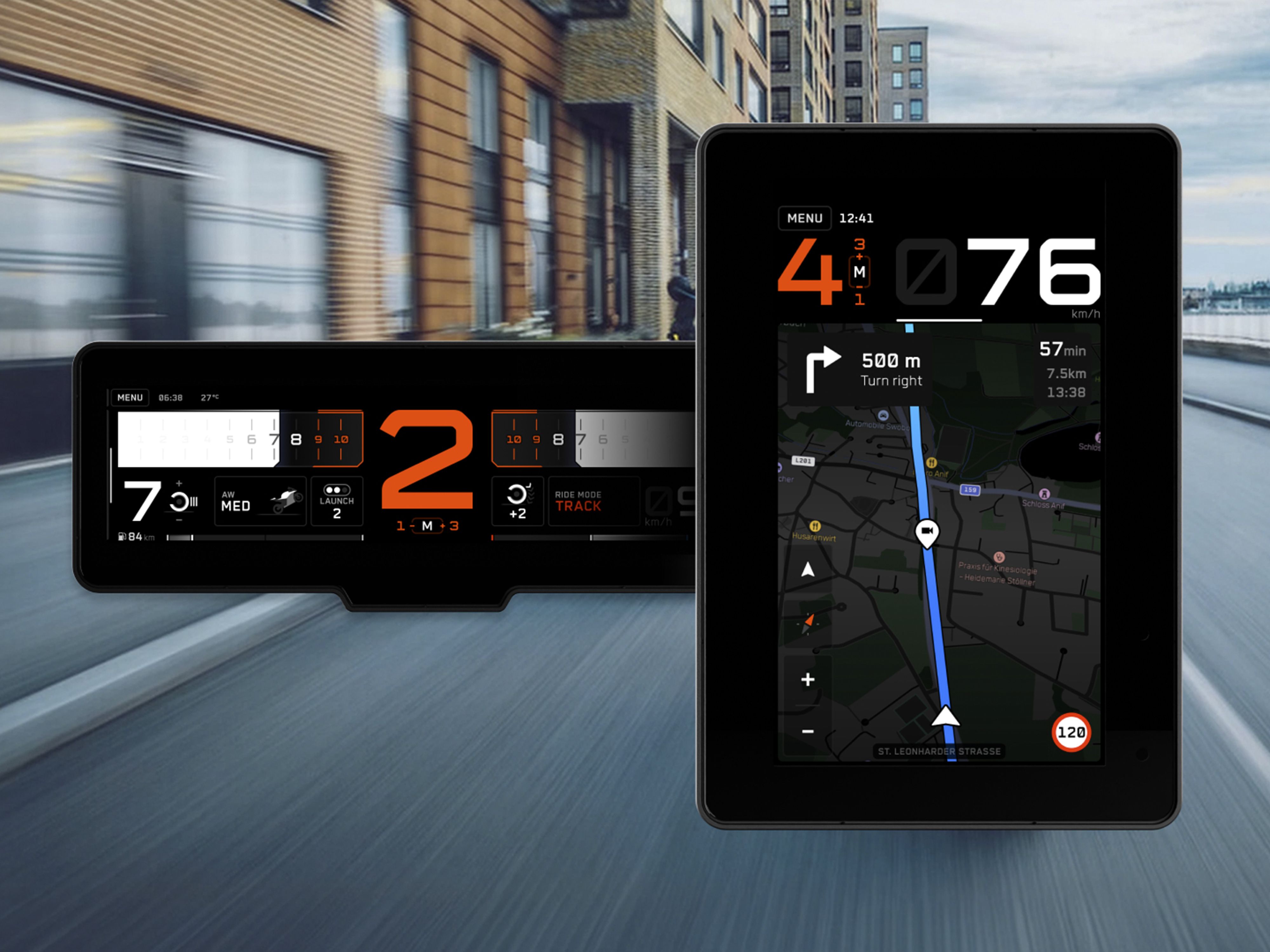
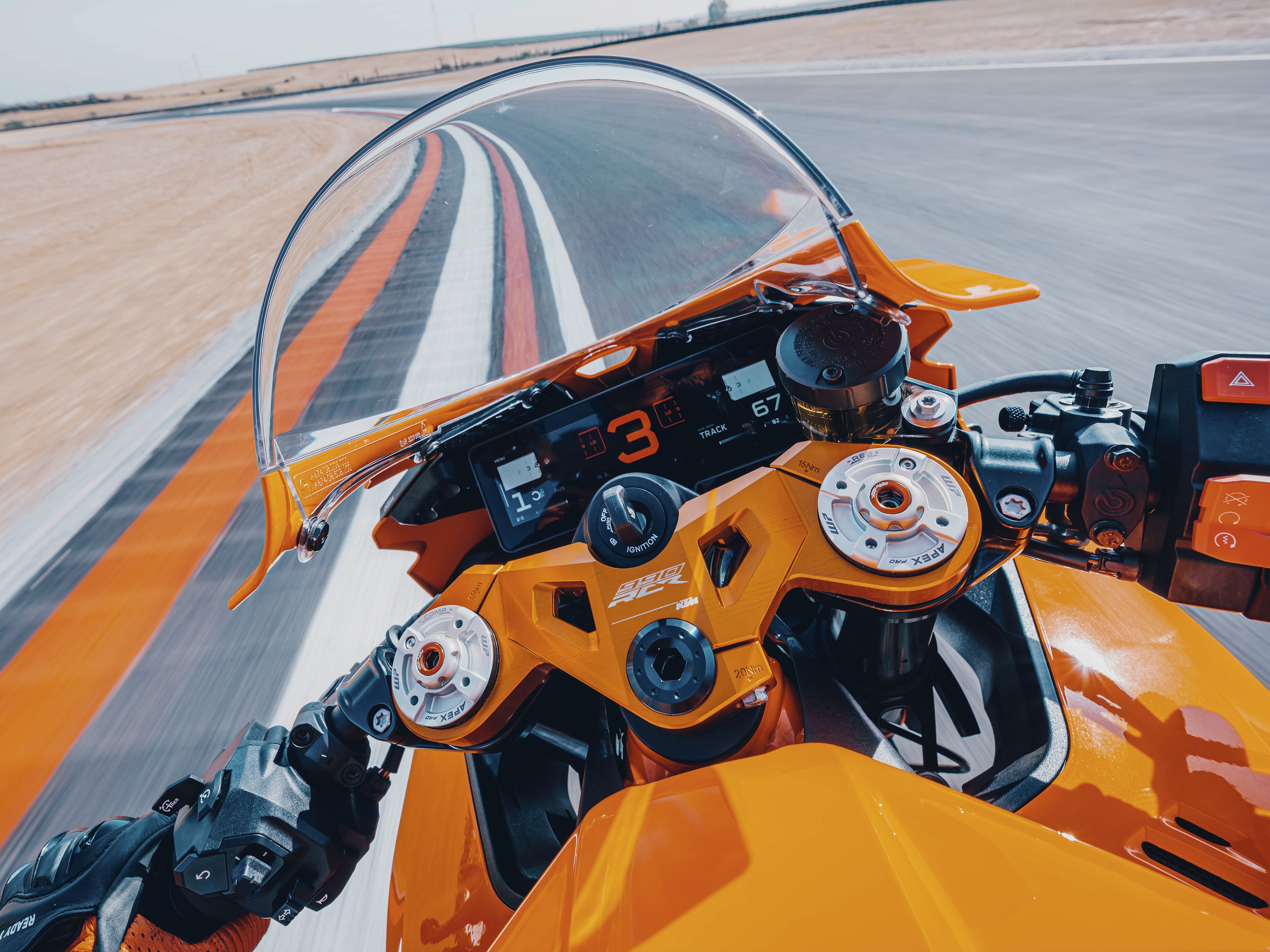
Designers
Michal Matuska, Isaac Smith, Lisa Laugs, Onur Atalay, Dimitri Rivault, Florian Wimmer, Michael Wengler, Julien Quiring, Alexis Corbineau, Sofiia Fedoriachenko, Matthias Plot
Year
2026
Category
Product
Country
Austria
Design Studio / Department
KISKA GmbH
»Motorcycle riders must make split-second decisions while riding in the rain with their faces covered by visors and their hands covered by gloves. There is little margin for error. Kiska and KTM did not just adapt a phone or car dashboard for a motorcycle. They developed an entirely new interaction system for situations where distractions can have fatal consequences. The jury was impressed by the depth of the research, which included three years of development, eye-tracking studies, and real-world validation with over 100 riders. Every product decision traces back to one question: Will this make the rider safer? This singular focus on prioritizing safety over features, paired with exceptional visual design, is rare and deserves recognition.«
UX Design Awards Jury, Autumn 2026
And the award goes to…
Three questions to the project team
What was the particular challenge of the project from a UX point of view?
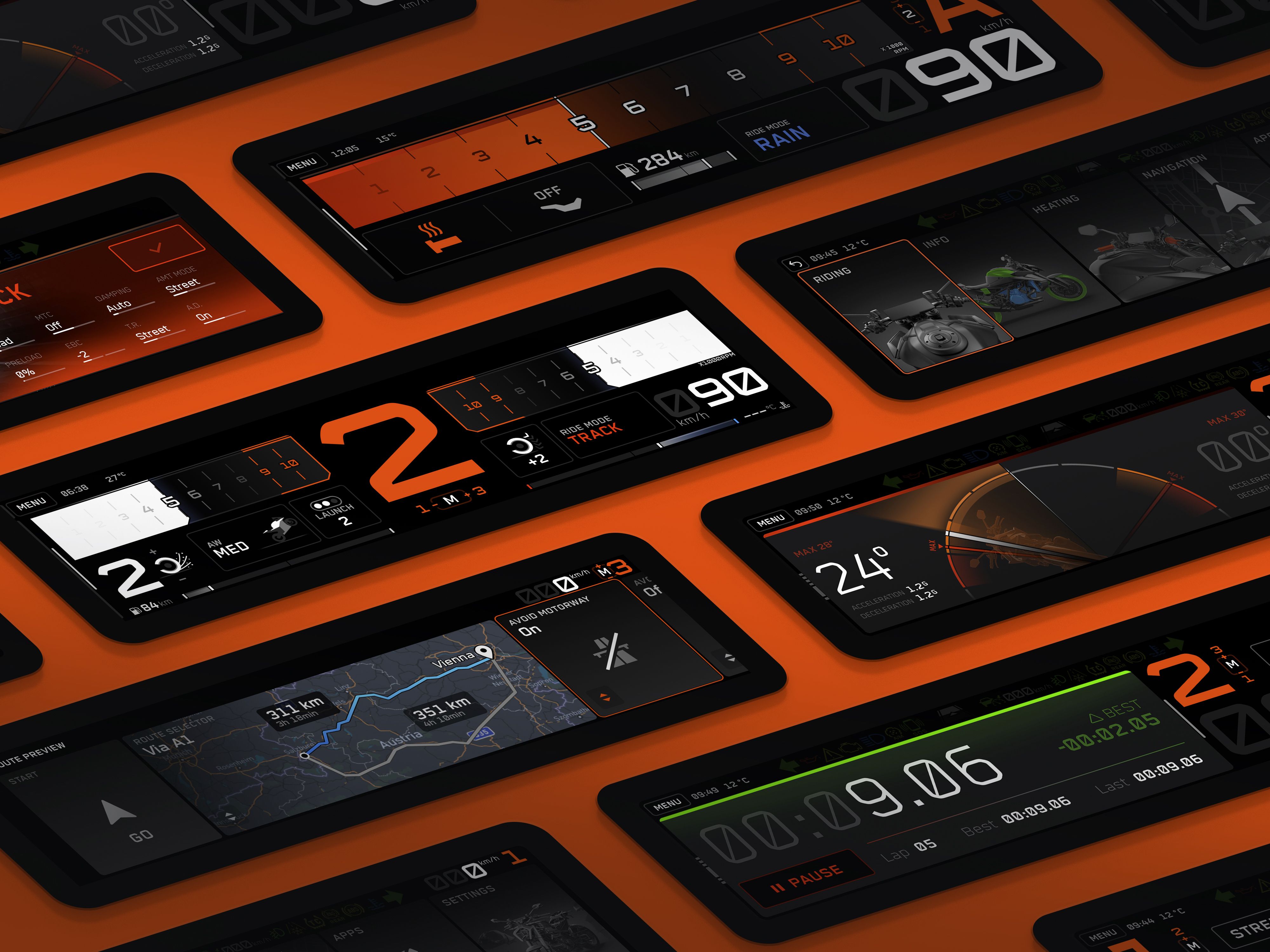
The challenge was to make a complex system instantly understandable. An 8.8-inch display carries car-level expectations with it. Bringing those to a motorcycle, for very different riders across track, adventure, commuting, touring, and everyday use, was the task. That meant every detail had to work fast. Information needed to be glanceable, modular, and easy to understand in a split second. And because riders weren’t asking for a bigger dash, the design had to earn its place by being purposeful, focused, and less distracting, not more.
What was your personal highlight in the development process? Was there an aha!-moment, was there a low point?
Everyone was in it. That was the highlight. It was a fast, agile development process which was shaped alongside KTM. Small teams made decisions quickly, and stayed close to the pulse of development. That created real trust and the system kept moving forward. The harder moments came from the pressure of launch timing. Delays, speed, and market demands meant there was very little room for theory. Every decision had to work in reality. That pressure became part of the result: a system designed to be used at speed.
Where do you see yourself and the project in the next five years?
In the next five years, this project should stand as proof of what KISKA can bring to complex technology and mobility clients. That user expectations around screens and speed can be rethought. Projects like this highlight the team's expertise in digital interfaces, advanced cockpit systems, and safety-relevant user experience, while showing that complexity does not need to become complicated. This project reinforces KISKA’s role as the partner that takes complex technology and makes it work for real people. Even at speed.